
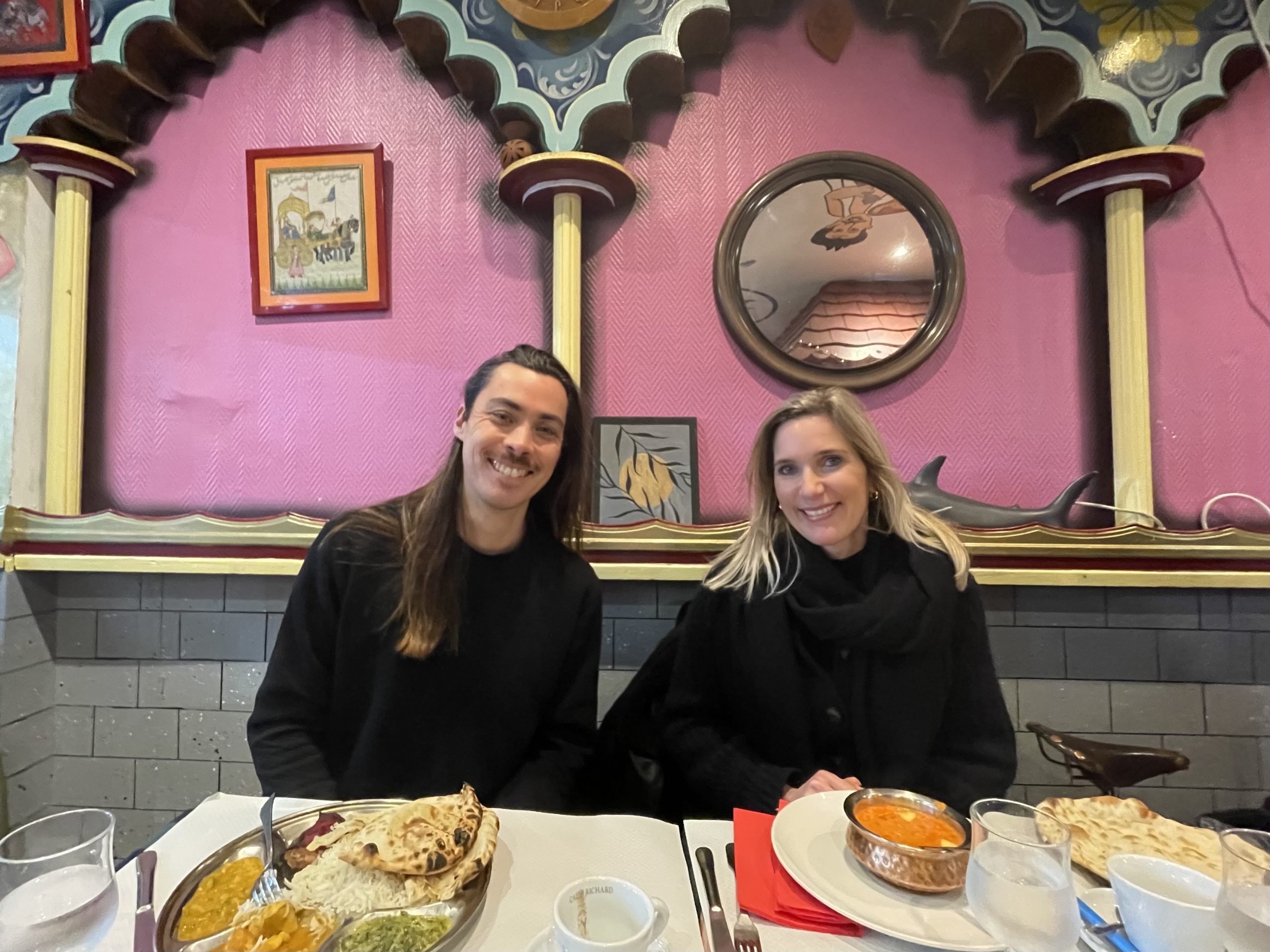
What if making French friends in Paris was not about trying harder, but about showing up more naturally? For many expats, friendship is one of the most emotional parts of integration. You may learn the metro, understand the paperwork, find your favourite bakery and still feel that something is missing. You want real connection, not only polite conversations. You want to feel included, invited and remembered. But in France, friendships often grow slowly, through repetition, trust and shared moments. The good news is that you do not need to force it. You can learn how to create the right conditions for friendship to happen.
Before going further, two related articles can help you understand this journey better. On Absolutely French, Integration Picnics: Building Friendships in Paris shows how a simple picnic can become a powerful moment of language practice, cultural discovery and belonging. It is useful because friendship often begins through relaxed shared experiences, not formal introductions. On Absolutely Talented, Networking in France in January: the soft way to restart your career explains why relationships in France often grow through patience, curiosity and regular contact. Even though it focuses on professional networking, the same rhythm applies to friendship: showing up matters more than pushing too fast. Reading both will help you understand one essential idea: to make French friends, you need presence, consistency and a little cultural confidence.
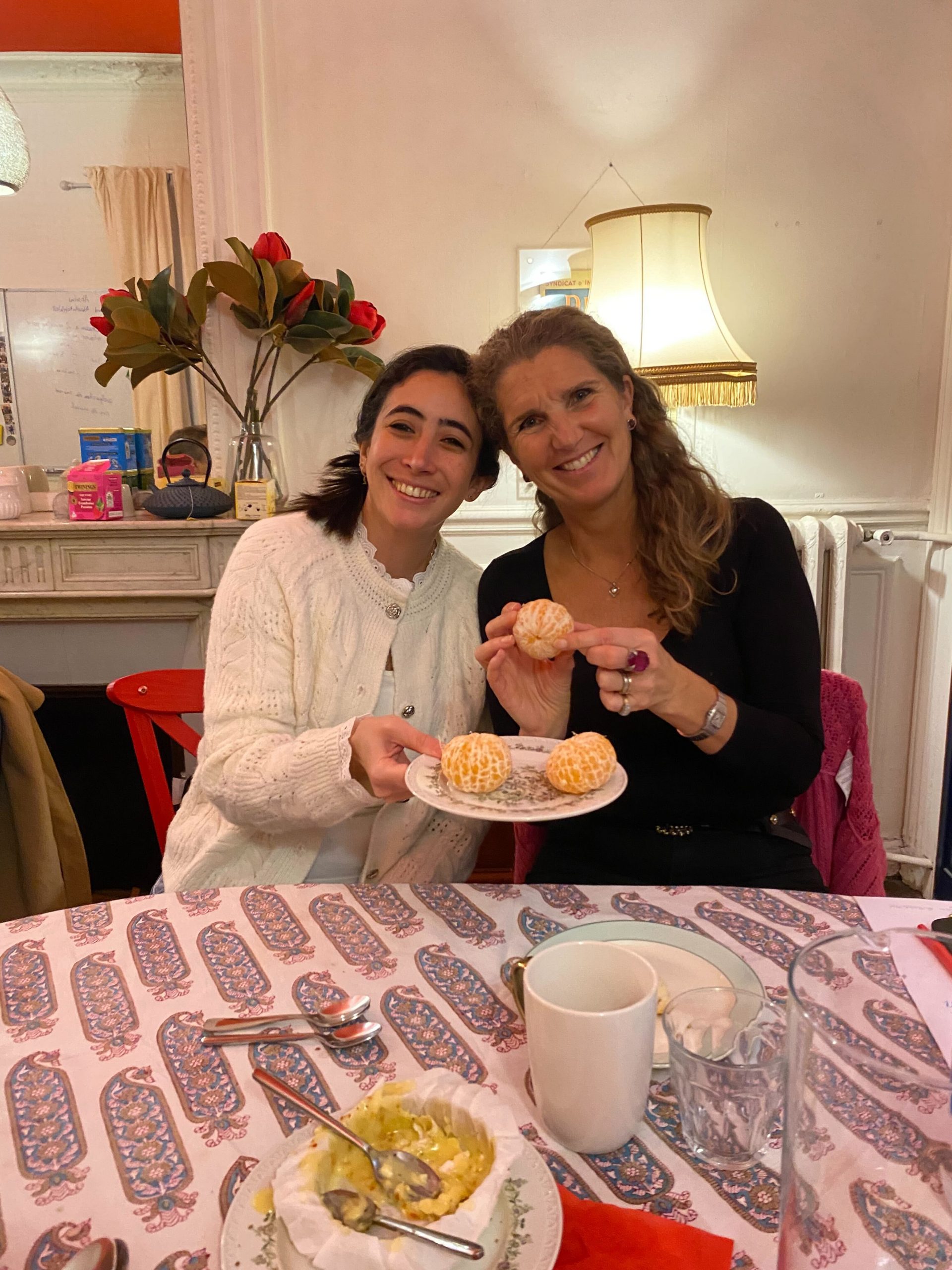
Why making French friends can feel difficult at first
Many expats arrive in Paris with good intentions. They smile, they start conversations, they suggest meeting again and sometimes nothing happens. A French neighbour is polite but distant. A parent from school chats warmly for five minutes and then disappears. A colleague is friendly at lunch but does not invite you home. After a while, you may start wondering: is it me?
Most of the time, it is not you. It is the rhythm.
French friendships can take time. In some cultures, people become friends quickly and then decide later how deep the relationship will be. In France, especially in Paris, people may take longer before opening their private circle. They may separate work, family and close friends. They may be warm in conversation but careful about invitations.
This does not mean French people do not want international friends. It means trust often grows through repetition. You become familiar before you become close.
Start with small repeated moments
The first secret to making French friends without forcing it is repetition. Instead of trying to create instant friendship, create familiar moments.
Go to the same bakery. Visit the same market. Attend the same class. Join the same weekly activity. Walk in the same park at the same time. Say bonjour to the same people. These small repeated contacts build recognition.
At first, someone may only say bonjour. Then one day, they ask how long you have lived in the neighbourhood. Later, they recommend a cheese, a café or an event. Slowly, the relationship becomes warmer.
This is how many French connections begin. Not with a dramatic invitation, but with a chain of small recognitions.
Try this phrase:
“Bonjour, je commence à bien connaître le quartier maintenant.”
Meaning:
“Hello, I am starting to know the neighbourhood well now.”
It is simple, friendly and gives the other person an easy opening to continue.
Use French as a bridge, not a test
Many expats wait until their French is “good enough” before trying to connect. But friendship does not require perfect French. It requires effort, humility and curiosity.
You can say:
“Je suis en train d’apprendre le français.”
Meaning:
“I am learning French.”
Or:
“Je comprends mieux que je ne parle.”
Meaning:
“I understand better than I speak.”
These sentences are useful because they remove pressure. They show that you are making an effort without pretending to be perfect.
The City of Paris explains that learning French supports autonomy and integration, and it lists several ways to learn French in Paris, from beginner options to more advanced training. You can explore the resource here: Learn French in Paris.
For friendship, French is not only a language. It is a signal. When you try to speak French, even imperfectly, you show respect for the local culture. Many people appreciate the effort, especially when it is sincere.
Do not confuse politeness with distance
One challenge for expats is reading French social signals. A French person may not immediately ask personal questions. They may not invite you to their home quickly. They may not send many messages. This can feel cold if you come from a culture where friendship starts with openness.
But in France, privacy is often a form of respect. People may take time before asking about private matters. They may prefer to build a relationship slowly. They may need several conversations before suggesting a coffee or an activity.
Instead of thinking “they do not like me,” try thinking “this relationship may need more time.”
A good phrase to keep things light is:
“Ça me ferait plaisir de reprendre un café une prochaine fois.”
Meaning:
“I would be happy to have coffee another time.”
It is warm, but not too intense. It leaves space.
Choose activities where conversation happens naturally
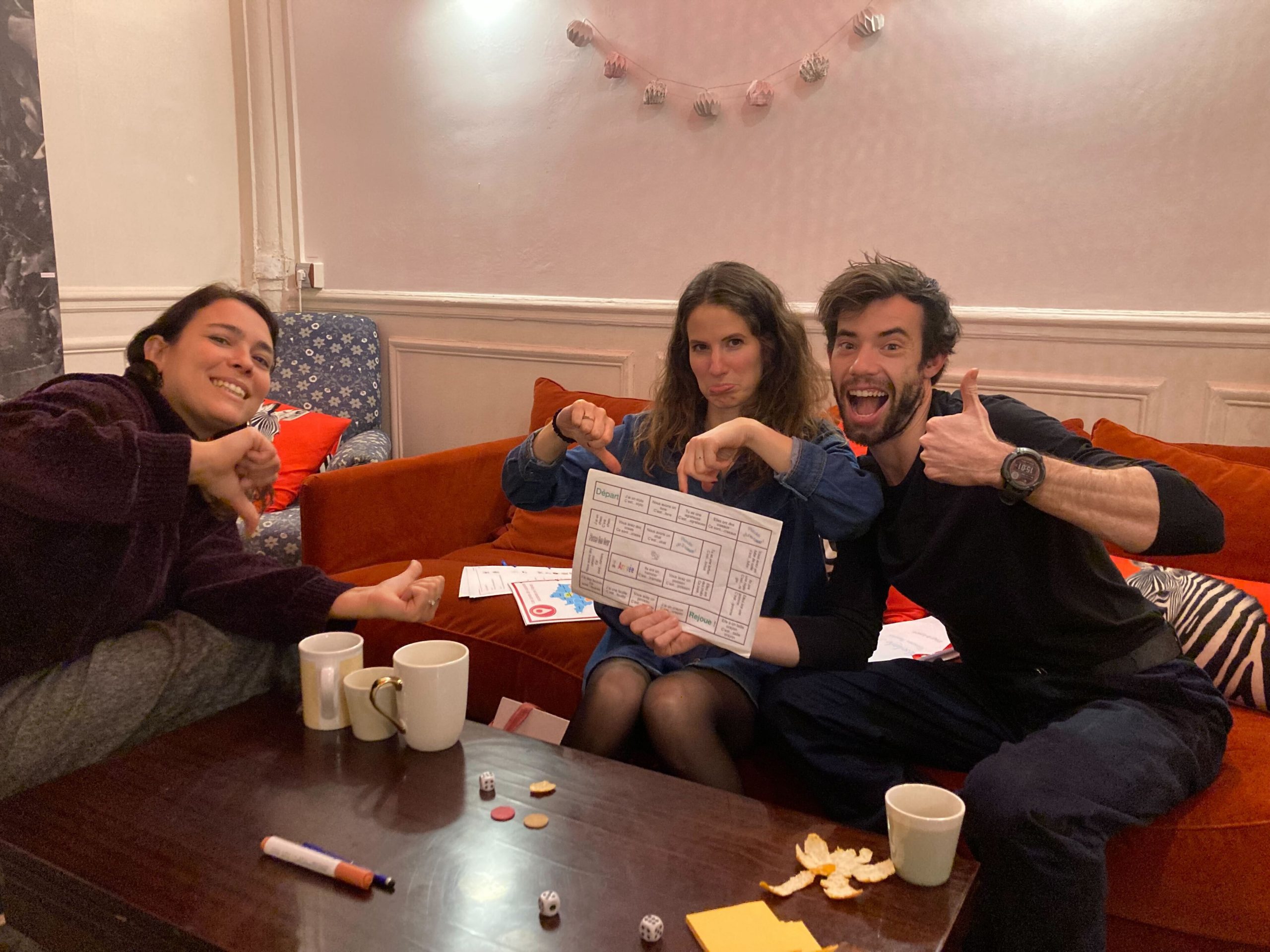
If you want to make French friends without forcing it, choose activities that create natural conversation. Sitting face to face with a stranger can feel intense. Doing something together is often easier.
Try a cooking class, a walking group, a volunteering activity, a language exchange, a book club, a local association, a sports class, a museum workshop or a neighbourhood event. Shared activities reduce pressure because the conversation has a purpose.
You are not saying, “Please be my friend.” You are saying, “We are doing something together.”
This is why cultural and immersive activities work so well. You learn, observe, laugh and interact in context. Friendship becomes a possible result, not the immediate demand.
Volunteer if you want meaningful connection
Volunteering is one of the most natural ways to meet people in a new country. It gives you a shared mission. It also helps you feel useful, especially if you are an expat partner rebuilding your identity after relocation.
When you volunteer, you do not need to start with personal questions. You can talk about the activity, the organisation, the people you are helping or the practical tasks. Connection grows through action.
Serve the City Paris, for example, describes weekly food distribution and language exchange activities that allow volunteers to meet people while serving the city. You can explore their activities here: Serve the City Paris.
For expats, volunteering is powerful because it combines language, purpose and community. You are not only looking for friends. You are participating in local life.
Try this phrase:
“Je cherche une activité bénévole pour rencontrer des gens et pratiquer mon français.”
Meaning:
“I am looking for a volunteering activity to meet people and practice my French.”
Learn the art of the casual invitation
In France, invitations can feel subtle. People may not always say directly, “Let us become friends.” Instead, friendship often begins with casual suggestions.
You can use simple, low pressure invitations:
“Tu veux prendre un café un de ces jours ?”
Meaning:
“Would you like to have coffee one day?”
Or more formal:
“Ça vous dirait de prendre un café un jour ?”
Meaning:
“Would you like to have coffee one day?”
Or:
“On pourrait aller voir cette exposition ensemble.”
Meaning:
“We could go see this exhibition together.”
The key is not to make the invitation too heavy. A coffee, a walk, an exhibition or a market visit feels natural. It gives the relationship space to grow.
If the person says yes but does not choose a date immediately, do not panic. French social planning can sometimes take time. You can gently follow up later.
Become a regular somewhere
One of the most beautiful ways to feel at home in Paris is to become a regular somewhere. A café, a bakery, a bookshop, a market stall, a sports class, a language group or a neighbourhood association can become your small anchor.
When people begin to recognise you, the city feels less anonymous. The baker remembers your order. The café owner asks if you want the usual. The market seller asks where you are from. A classmate saves you a seat.
This is not friendship yet, but it is belonging. And belonging often comes before friendship.
Try creating one ritual for the next month. Same place, same day, same time. Notice what happens. Friendships often begin when people see that you are part of the rhythm.
Ask questions without interviewing people
French people often appreciate thoughtful conversation. But there is a balance. If you ask too many personal questions too soon, it can feel intrusive. Start with neutral topics.
Good topics include neighbourhoods, food, culture, travel, exhibitions, books, films, summer plans, restaurants and local recommendations.
You can ask:
“Vous connaissez un bon endroit dans le quartier ?”
Meaning:
“Do you know a good place in the neighbourhood?”
Or:
“Tu as une recommandation pour un café sympa ?”
Meaning:
“Do you have a recommendation for a nice café?”
These questions are easy because they allow people to share something without becoming too personal.
Accept that friendship may look different here
One of the hardest parts of expatriation is accepting that connection may not look exactly like it did in your home country. In Paris, friendship may take longer, but it can become deep and loyal. People may invite you less often at the beginning, but when they do, it may mean something.
Try not to compare every interaction with your previous social life. Instead, observe what French friendship looks like from the inside. Notice how people stay in touch. Notice how they plan dinners. Notice how they talk around the table. Notice how they debate, tease, listen and share.
Integration is not only learning the language. It is learning the emotional rhythm of a place.
What not to do when trying to make French friends
Do not push too fast. If someone seems polite but not ready, give the relationship time.
Do not apologise constantly for your French. A simple “I am learning” is enough.
Do not only stay in expat circles, but do not reject them either. Other expats can become a support system while you slowly build French connections.
Do not wait for someone else to organise everything. Take small initiatives.
Do not take every silence personally. Sometimes people are busy, private or simply slow to open up.
Most importantly, do not turn friendship into a performance. You do not need to become more French to be liked. You need to become more comfortable being yourself in French.
A gentle weekly challenge
Here is a simple challenge for one month:
Week one: say bonjour and start one small conversation in your neighbourhood.
Week two: attend one recurring activity where French people are present.
Week three: invite one person for a coffee, walk or exhibition.
Week four: return to the same place and continue the connection.
This challenge works because it is realistic. It does not ask you to transform your social life in one week. It helps you create momentum.
The Absolutely French way
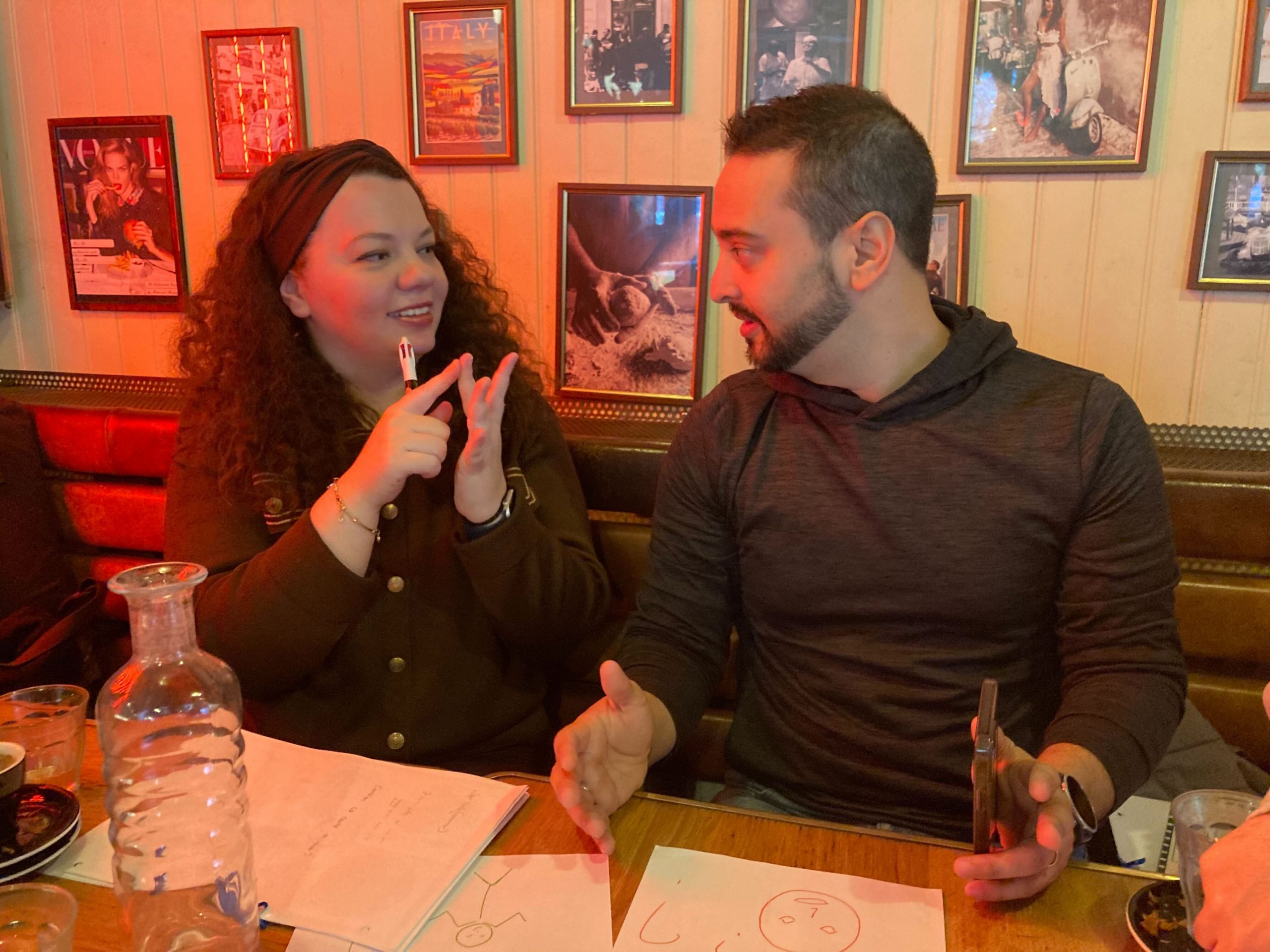
At Absolutely French, we know that integration is not built only through grammar. It is built through real moments: a shared laugh, a successful sentence, a café after class, a picnic in the park, a cultural visit, a conversation that continues longer than expected.
Making French friends is part of this journey. It is not about forcing relationships or pretending to be someone else. It is about creating spaces where connection can grow naturally.
When you learn French in a supportive environment, you do more than learn words. You gain the courage to participate. And participation is often the beginning of friendship.
Conclusion: friendship grows where pressure disappears
Making French friends as an expat can take time, especially in Paris. But it is possible. The secret is not to force intimacy. The secret is to create regular, human, low pressure moments where trust can grow.
Speak a little French. Return to the same places. Join activities. Volunteer. Ask simple questions. Invite gently. Be patient. Let people discover you slowly.
One day, someone will remember your name. Then your usual order. Then your story. Then they may invite you for coffee, a picnic or dinner.
That is how Paris becomes less anonymous. Not all at once, but through small repeated signs of recognition.
And when that happens, you realise something important: making French friends is not about proving that you belong. It is about living in a way that lets belonging happen.