
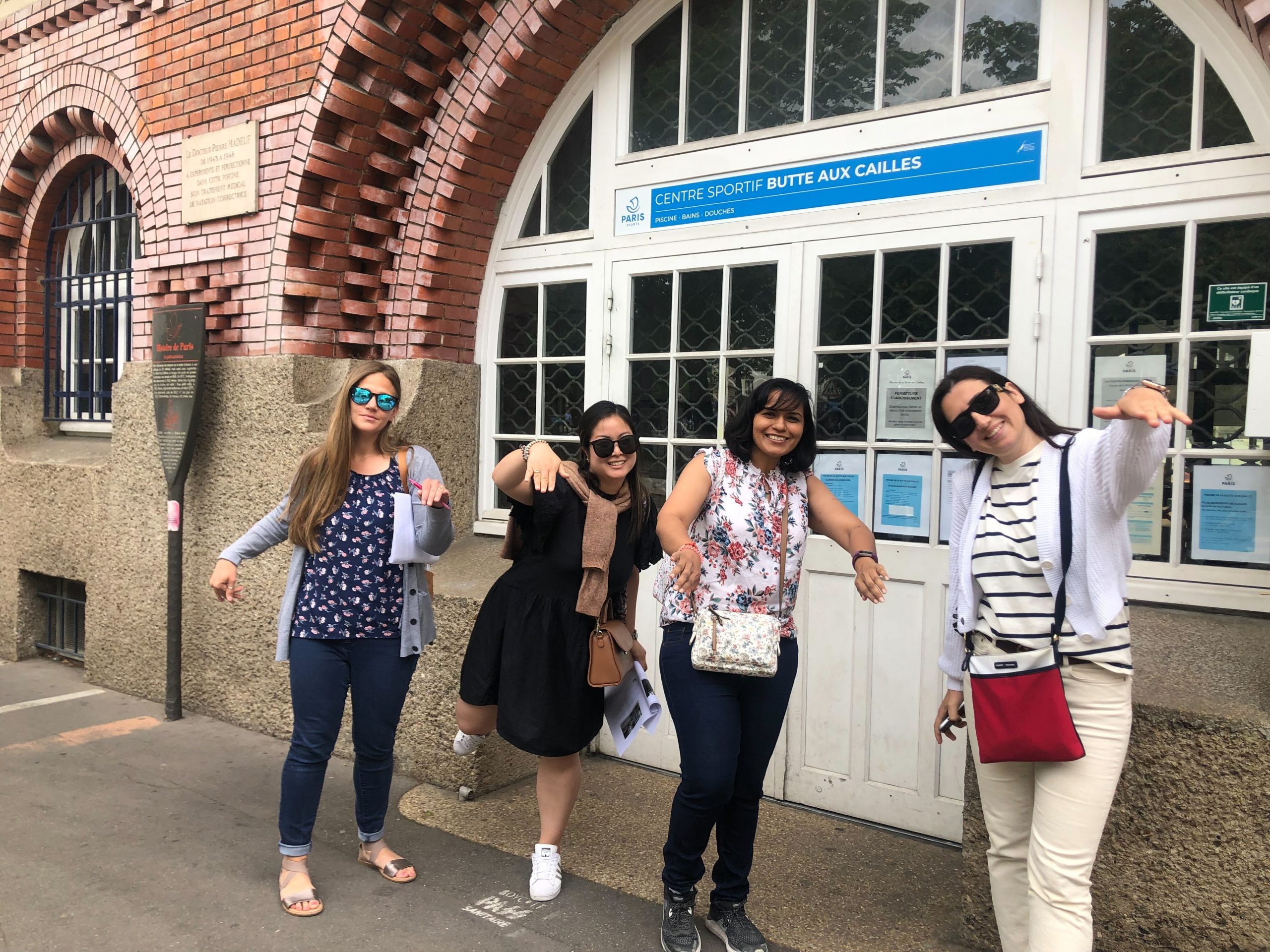
What if this summer in Paris became the season you finally dared to speak more French in real life? For many expats, summer is full of small conversations: ordering a drink on a terrace, asking for directions to the beach, buying sunscreen, talking about the heat, joining a picnic, or wishing someone a good holiday. These moments may look simple, but they are powerful. They help you move from watching life in Paris to participating in it. That is why learning a few French phrases expats need in summer can change the way you feel in the city.
Before going further, two related articles can help you build more confidence in your integration journey. On Absolutely French, Bonjour to Confidence: Learning French for Career Growth shows why speaking French is not only about vocabulary. It is a path to autonomy, self esteem and professional opportunities in France. It is useful because every summer interaction, even a very short one, can become a confidence exercise. On Absolutely Talented, How to Leverage Seasonal Storytelling in Your Personal Brand explains how seasonal experiences can become part of a meaningful personal and professional story. Reading both will help you see that summer is not only a holiday season. It is a perfect moment to practice French, create memories and feel more at home in Paris.
Why summer is the best season to practice French
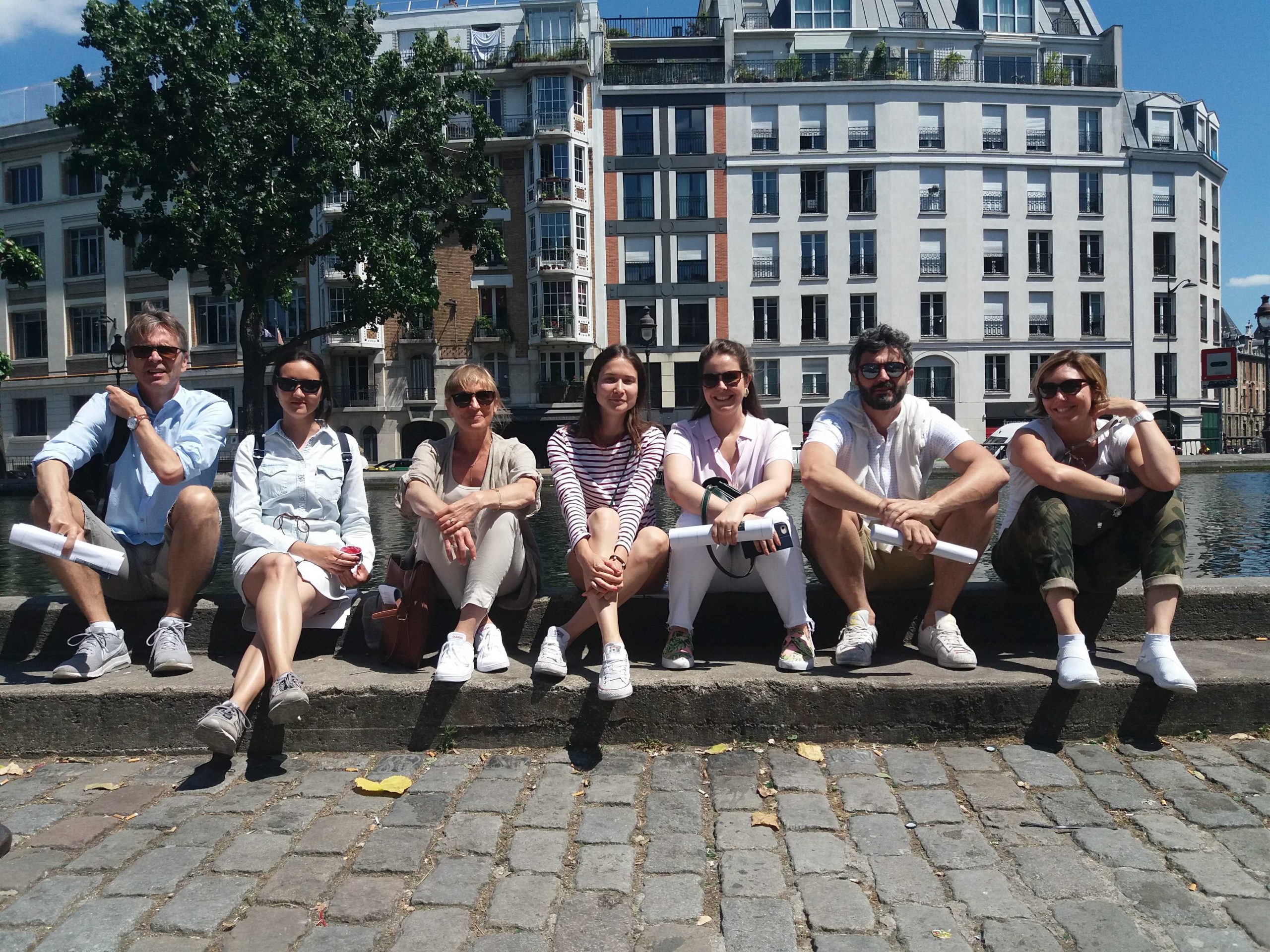
Summer makes French practice easier because many interactions are short, practical and friendly. You do not need to discuss politics or explain your whole life. You can ask for water, order ice cream, say you are too hot, ask if a train is direct, or wish someone a nice holiday.
Paris in summer is also full of natural language moments: markets, terraces, parks, train stations, museums, open air events and weekend trips. These are exactly the places where expats can practice useful French without pressure.
The City of Paris explains that learning French is essential for integration and helps people gain greater autonomy in the city. Its official page also lists language training options for beginners and more advanced learners: Learn French in Paris. This is exactly why simple summer phrases matter. They are not only words. They are small tools for independence.
1. “Il fait chaud aujourd’hui.”
Meaning: It is hot today.
This is one of the easiest French phrases expats need in summer. It works everywhere: in a lift, at the bakery, with a neighbour, at a café or in a French class. Weather is a safe and natural topic in France.
You can also say:
“Il fait très chaud aujourd’hui.”
Meaning: It is very hot today.
Why it helps: it opens small talk without being too personal.
2. “Vous avez de l’eau fraîche, s’il vous plaît ?”
Meaning: Do you have cold water, please?
Use this in cafés, restaurants, bakeries or small shops. In summer, knowing how to ask for cold water is genuinely useful.
If you are at a restaurant, you can also ask:
“Une carafe d’eau, s’il vous plaît.”
Meaning: A jug of tap water, please.
Why it helps: it gives you autonomy when the weather is hot and you do not want to switch to English.
3. “Est ce qu’il y a de la climatisation ?”
Meaning: Is there air conditioning?
This phrase is useful when booking a hotel, choosing a restaurant, entering a shop, or asking about a room. Many buildings in Paris do not have strong air conditioning, so this question can save you discomfort.
Why it helps: it prepares you for real summer life in France, especially during heatwaves.
4. “Je cherche un endroit à l’ombre.”
Meaning: I am looking for a place in the shade.
Use this in a park, on a terrace, at a beach or during an outdoor event. It is simple, practical and very summer friendly.
You can also say:
“On peut s’asseoir à l’ombre ?”
Meaning: Can we sit in the shade?
Why it helps: it allows you to express a need politely.
5. “Vous avez de la crème solaire ?”
Meaning: Do you have sunscreen?
This phrase is useful in a pharmacy, supermarket or beach town. You can add:
“Pour le visage.”
Meaning: For the face.
“Pour les enfants.”
Meaning: For children.
Why it helps: summer vocabulary often becomes necessary when you least expect it.
6. “Je voudrais une glace, s’il vous plaît.”
Meaning: I would like an ice cream, please.
This is a joyful phrase. You can use it at an ice cream shop, beach kiosk or summer market.
You can add:
“Une boule de vanille.”
Meaning: One scoop of vanilla.
“Deux boules, s’il vous plaît.”
Meaning: Two scoops, please.
Why it helps: ordering something simple in French can become a small confidence victory.
7. “Quelle est la spécialité de la maison ?”
Meaning: What is the house speciality?
This phrase is perfect in restaurants, bakeries, cafés and seaside towns. It makes you sound curious and open. It can also lead to a more natural conversation.
Why it helps: French culture is deeply connected to food, and asking for a recommendation is a lovely way to participate.
8. “On peut réserver une table en terrasse ?”
Meaning: Can we book a table on the terrace?
Terrace culture is essential in Paris during summer. This phrase is useful when calling a restaurant or speaking to a waiter.
You can also say:
“Vous avez une table en terrasse ?”
Meaning: Do you have a table on the terrace?
Why it helps: it connects language learning with one of the most Parisian summer pleasures.
9. “C’est complet ce soir ?”
Meaning: Are you fully booked tonight?
This phrase is useful when restaurants are busy. If the answer is yes, you can ask:
“Vous avez une place plus tard ?”
Meaning: Do you have a table later?
Why it helps: it helps you stay in French even when the first answer is not what you wanted.
10. “Je vais à la mer ce week end.”
Meaning: I am going to the seaside this weekend.
This is a beautiful phrase for small talk with neighbours, classmates or colleagues. In France, weekend travel is a common summer topic.
You can also say:
“Je vais à Deauville ce week end.”
Meaning: I am going to Deauville this weekend.
Why it helps: it allows you to share your life naturally and practice future plans.
11. “Est ce que ce train est direct ?”
Meaning: Is this train direct?
If you are planning a beach trip from Paris, this sentence is very useful at the station. You can also ask:
“Il faut changer à quelle gare ?”
Meaning: At which station do we need to change?
Why it helps: it gives you confidence when travelling outside Paris.
12. “Le train part de quel quai ?”
Meaning: Which platform does the train leave from?
Use this at Gare Saint Lazare, Gare du Nord, Gare de Lyon or any other station. It is short and practical.
Why it helps: stations are stressful when you do not understand announcements. This phrase helps you ask clearly.
13. “Est ce que la plage est loin de la gare ?”
Meaning: Is the beach far from the station?
Perfect for trips to Trouville, Deauville, Dieppe, Cabourg or Le Touquet. It helps you plan without panic.
You can add:
“On peut y aller à pied ?”
Meaning: Can we walk there?
Why it helps: it turns a summer escape into a language practice opportunity.
14. “La baignade est surveillée ?”
Meaning: Is swimming supervised?
This is important at beaches, lakes and swimming areas. It is especially useful for families.
The French government advises people to stay informed during heatwaves through Météo France alerts and official public health information, especially when temperatures become dangerous: Heatwaves: how to stay safe. In summer, speaking French is not only social. It can also help you ask practical safety questions.
Why it helps: it protects you and your family while helping you understand local rules.
15. “Il y a beaucoup de monde aujourd’hui.”
Meaning: There are many people today.
Use this at the beach, in the metro, at a museum, at Paris Plages or in a park. It is an easy phrase for small talk.
You can also say:
“Il y a trop de monde.”
Meaning: There are too many people.
Why it helps: it gives you a natural way to comment on a shared situation.
16. “On se retrouve où ?”
Meaning: Where shall we meet?
This is useful when meeting friends, classmates or other expats for a picnic, terrace, concert or outdoor activity.
You can also say:
“On se retrouve à quelle heure ?”
Meaning: What time shall we meet?
Why it helps: it helps you organize social moments in French.
17. “Tu apportes quoi pour le pique nique ?”
Meaning: What are you bringing for the picnic?
This phrase is friendly and practical. Use it with people you know or in informal groups. If you need a more polite version, say:
“Vous apportez quoi pour le pique nique ?”
Meaning: What are you bringing for the picnic?
Why it helps: summer picnics are a wonderful way to make friends in Paris.
18. “Je peux apporter quelque chose ?”
Meaning: Can I bring something?
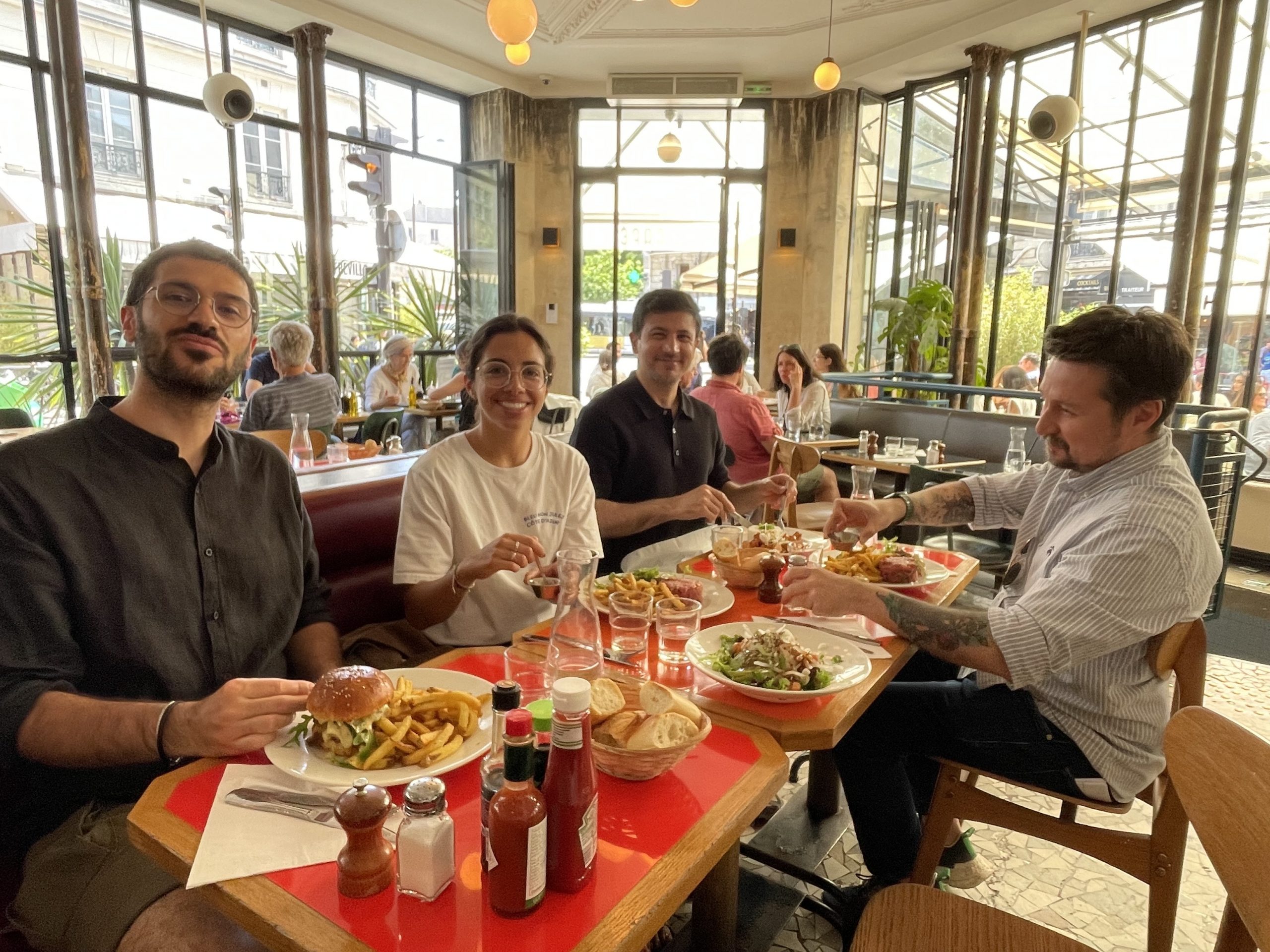
This is one of the most useful French phrases expats need in summer because invitations happen more often during the warm season. You can use it for dinners, picnics, apéros and weekend gatherings.
Why it helps: it shows politeness and cultural awareness.
19. “Bonnes vacances !”
Meaning: Have a good holiday.
This phrase is everywhere in France during summer. You can say it to a teacher, neighbour, colleague, baker, friend or classmate before they leave for holidays.
You can also say:
“Profitez bien !”
Meaning: Enjoy it.
Why it helps: it helps you participate in the French rhythm of summer.
20. “Je profite de l’été à Paris.”
Meaning: I am enjoying summer in Paris.
This is a simple and positive sentence. You can use it when someone asks:
“Vous partez en vacances ?”
Meaning: Are you going on holiday?
If you are staying in Paris, answer:
“Pas cette semaine, je profite de l’été à Paris.”
Meaning: Not this week, I am enjoying summer in Paris.
Why it helps: it turns staying in the city into something positive, not something lonely.
How to practice these phrases without pressure
Choose three phrases each week. Do not try to memorize all twenty at once. Start with the phrases you really need. If you go to the market, practice food phrases. If you travel, practice train phrases. If you meet people, practice invitation phrases. If the weather is hot, practice heat and water phrases.
The most important thing is not perfect grammar. It is repetition. A sentence becomes yours when you use it in real life. First it feels strange. Then it feels possible. Then one day, it comes out naturally.
You can also write the phrases in your phone and read them before entering a café, station or shop. This is not cheating. This is preparation. Confidence often begins before the conversation.
A summer routine for expats in Paris
Here is a simple routine:
Monday: use one weather phrase.
Tuesday: order something in French on a terrace.
Wednesday: ask one question at a shop.
Thursday: say “Bonnes vacances” to someone.
Friday: plan a weekend trip using one train phrase.
Saturday: use one picnic or beach phrase.
Sunday: write down the phrase that felt easiest.
This routine is light, realistic and perfect for expats who want to speak more French without turning summer into homework.
Why these phrases help you feel more at home
When you are an expat, integration often happens through small moments. The first time you order without switching to English. The first time someone answers and you understand enough. The first time you make a joke about the heat. The first time you ask where the train leaves from and find your way alone.
These moments matter. They tell your brain: I can do this. I can live here. I can participate.
At Absolutely French, we believe that learning French is not only about lessons. It is about living the language in real situations, with real people, in the rhythm of the city. Summer is one of the best seasons for that because conversations are lighter, days are longer and opportunities are everywhere.
Conclusion: summer French begins with one phrase
You do not need perfect French to enjoy summer in Paris. You need useful phrases, a little courage and the willingness to try.
These 20 French phrases expats need in summer can help you order, travel, meet people, stay safe, join conversations and feel more confident. Some phrases are practical. Some are social. Some are cultural. Together, they help you move through Paris with more ease.
Choose one phrase today. Use it before the week ends. Then choose another one.
Because every time you speak French, even imperfectly, you are not only learning a language. You are building your place in Paris.