

Travel from Paris is supposed to feel easy, but your calendar is full and suddenly you crave air: a weekend in Bordeaux, a day in Lyon, a quick escape to the sea. You open train tickets… and the price makes you hesitate. The good news is that SNCF pricing isn’t random. When you understand how ticket sales open, how flexibility is rewarded, and how “cheap” options can quietly become expensive, you start booking smarter, faster, and usually for less.
If you’re still in your “settling in” phase, keep these two articles close because they help with the real life admin that often comes before any spontaneous trip. On the Absolutely French side, What Is a Proof of Address in France? is the kind of guide that saves you time when you need documents for banks, subscriptions, or anything official. On the Absolutely Talented side, Networking in France in January: the soft way to restart your career is a great reminder that exploring France also builds confidence, rhythm, and connections when you’re rebuilding your life here.
Question of the day: if you could consistently shave 20 to 40% off your train spend this year, where would you go first?
Why tickets feel expensive, even when you “do everything right”
Train prices from Paris often feel unfair because you’re not only paying for distance. You’re paying for demand, and demand is highly predictable. Friday late afternoon, Saturday morning, Sunday late afternoon, school holidays, long weekends, and the first trains after work are simply the most wanted. If you always search for “the perfect time,” you land in the most expensive slice of the week. The goal is not to become a pricing expert. The goal is to shift one lever at a time: when tickets are released, when you travel, and what you’re actually buying.
The biggest money saver: book when sales open, not when panic starts
In France, the best prices are often available when tickets first go on sale, then climb as the most convenient trains fill up. SNCF Connect publishes a dedicated page showing the ticket sales opening calendar and what is currently available for booking. You can use it like a simple planning tool: check the release window for your travel period, then book early on the day sales open instead of checking randomly. Here’s the official page to bookmark: SNCF Connect – Ticket sales opening.
This matters even more for international routes, holiday periods, and popular Friday or Sunday trains, because those are often the first to lose the cheapest fare buckets. If you do nothing else after reading this article, do this one thing: learn the opening date for your period and plan around it.

Let alerts do the work, so you don’t live in refresh mode
A small but powerful mindset shift is to stop “checking prices” and start “tracking availability.” SNCF Connect highlights alert features inside its help content, and practically speaking, alerts prevent the classic expat scenario: you meant to book early, then life happened, then prices jumped. The calm version of booking is simple: decide your destination, know the opening window, set an alert, and book when the notification arrives. Less stress, better fares, and you keep your evenings for actual Paris life.
Flexibility that actually works: change the time, not the trip
When prices look painful, most people immediately change the destination. But the easiest savings usually come from shifting the departure time by a few hours. Midday trains, early mornings, and later evenings can be dramatically cheaper than “everyone wants this one” departures. This is especially true for returns to Paris on Sunday afternoon. If you can return Sunday evening or Monday morning, you step out of peak demand and often back into reasonable prices.
What’s nice about this hack is that it’s realistic. You don’t have to become an ultra minimalist traveler or take three connections. You simply choose a train that fewer people want, and the pricing rewards you for it.
Book earlier with confidence, because exchange and cancellation are more flexible than you think
Many expats delay buying because they’re not fully sure about plans. That hesitation is expensive. SNCF Connect clearly states that for mandatory booking TGV INOUI and INTERCITÉS tickets, you can exchange or cancel free of charge up to 7 days before departure, then fees apply closer to the date. That policy changes the psychology of booking: you can secure an early fare, then adjust if your plans move, as long as you respect the conditions.
If you want to read the official wording and keep it as your reference, this is the external page to consult: SNCF Connect – Terms and conditions of exchange, cancellation and refund.
“Cheaper” isn’t always cheaper: understand OUIGO add ons before you click pay
OUIGO can be an excellent deal from Paris, especially if you’re flexible and traveling light. But OUIGO is designed as a base fare plus optional extras, which means your final price depends on how you travel. One detail that regularly surprises people is luggage. OUIGO’s special conditions explicitly state that the “Additional or XL Luggage Option” costs five euros per item and per journey. If you’re traveling with more than the basic allowance, buying the right option in advance protects your savings and avoids last minute stress.
The smart move is to treat OUIGO like a menu. Before you compare it to TGV INOUI, make sure you’re comparing the full cost of your real trip, including the extras you actually need.
The “quiet superpower” for frequent travelers: Carte Avantage
If you’ll take several trips this year, the Carte Avantage can change your baseline pricing. SNCF Voyageurs presents the Carte Avantage Adulte as a one year card priced at 49€ and states “-30% guaranteed” on TGV INOUI and INTERCITÉS, along with “-60%” for children aged 4 to 11 accompanying you, within the conditions described. SNCF Connect also presents capped maximum prices in second class on direct routes, with thresholds like 49€, 69€, and 89€ depending on journey duration, again under specific conditions.
You don’t need to overthink it. The practical approach is simply to do one quick calculation: if you expect a handful of longer distance trips, the card often pays for itself quickly, and the caps give you a reassuring ceiling when you’re booking late.
The surprisingly effective hack: split your journey into two tickets
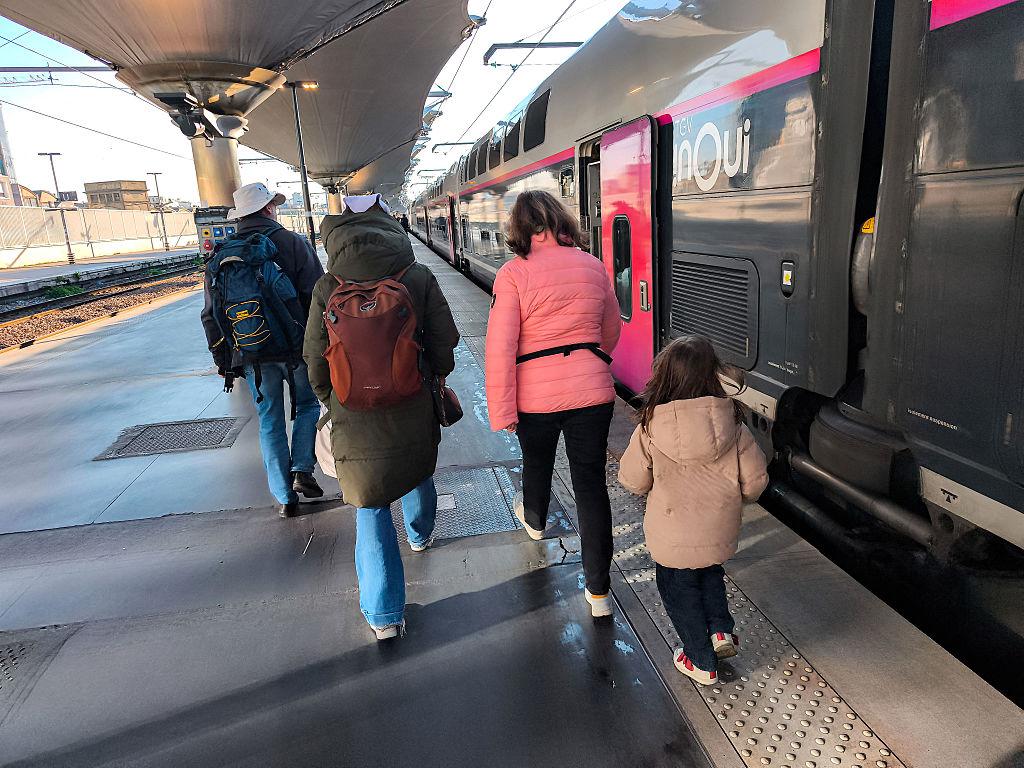
Sometimes, one direct Paris to destination ticket is more expensive than a split journey that follows the same line. This happens when one segment is heavily demanded and pushes the fare higher, while another segment stays calmer. It’s not guaranteed, but it’s easy to test: search your direct route, then search Paris to a logical hub on the same line, then hub to destination, and compare totals.
This is one of those hacks that feels almost too simple, but it can work beautifully on peak weekends when direct trains have already climbed into higher fare buckets.
Think in stations, not just “Paris,” because your departure choice changes the options
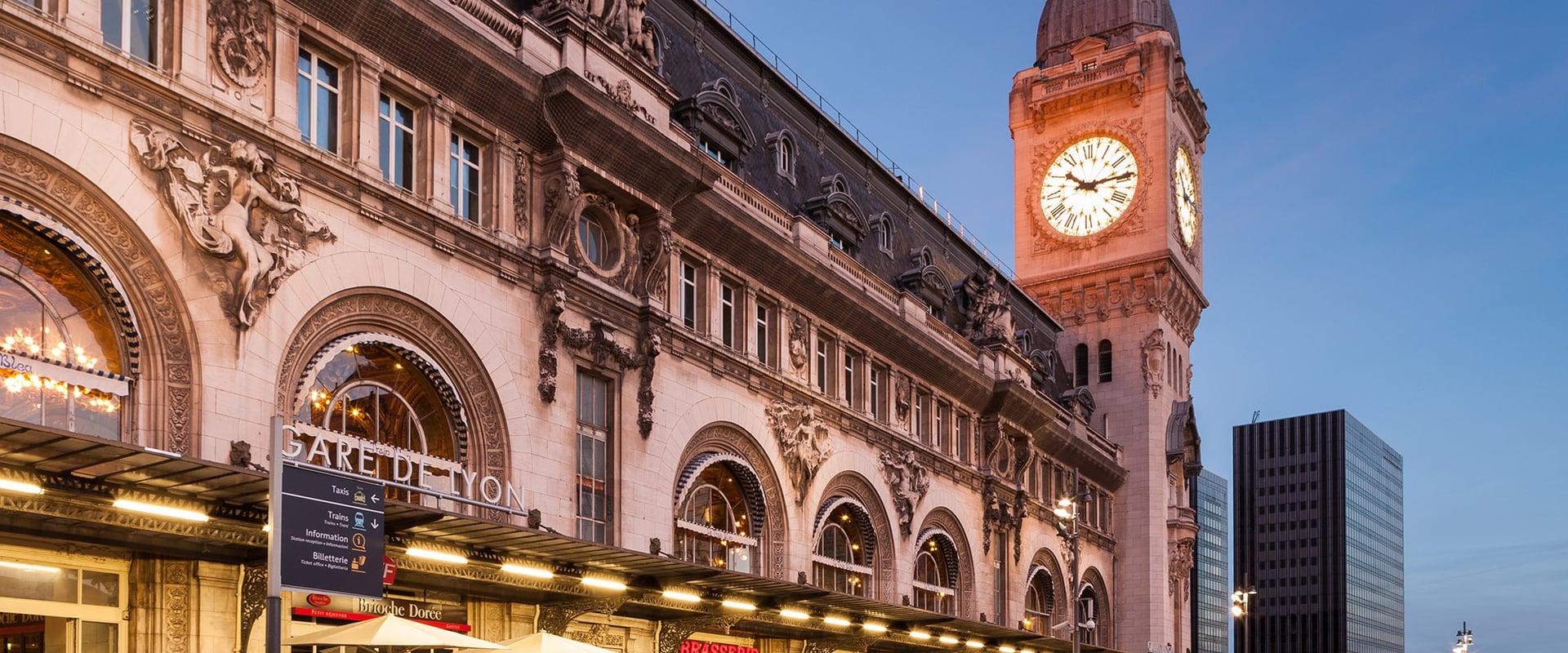
Paris is not one station. It’s a network of major departure points, and different stations can open different combinations of trains and prices. If your default is always “the obvious station,” you might miss a cheaper timetable or a route that’s slightly less saturated. Sometimes, just choosing a different departure station aligns you with a different demand pattern, and the price reflects that.
More than savings, this brings back a sense of control. Instead of feeling trapped by one expensive option, you start shopping across the city’s rail gateways like a local.
The real transformation: cheaper tickets are nice, but confidence is the real win
For expats and expat partners, traveling from Paris is rarely just tourism. It’s how you stop feeling “stuck in the arrondissement” and start owning the country. Each trip teaches you vocabulary, systems, and self trust: reading platforms, handling changes, understanding booking logic, and navigating stations without overthinking. When you master these SNCF habits, you don’t just spend less. You move more freely, and that freedom quietly supports everything else, from integration to career energy.

Absolutely French – Who We Are – Companies Services
Absolutely French is the first French language school entirely dedicated to expat partners and expatriates.
Our mission:
To support dual careers in expat families by helping partners integrate quickly and confidently into French life.
Our method:
Fun, friendly, and innovative French courses that guarantee results — and help build a local network.
 Looking for French classes tailored for expat partners? Want to register your employee’s spouse for a high-quality program?
Let’s connect!
 Email: contact@absolutelyfrench.com
 Phone: +33 (0)1 83 73 98 49
 Address: 4, rue Faraday, 75017 Paris