
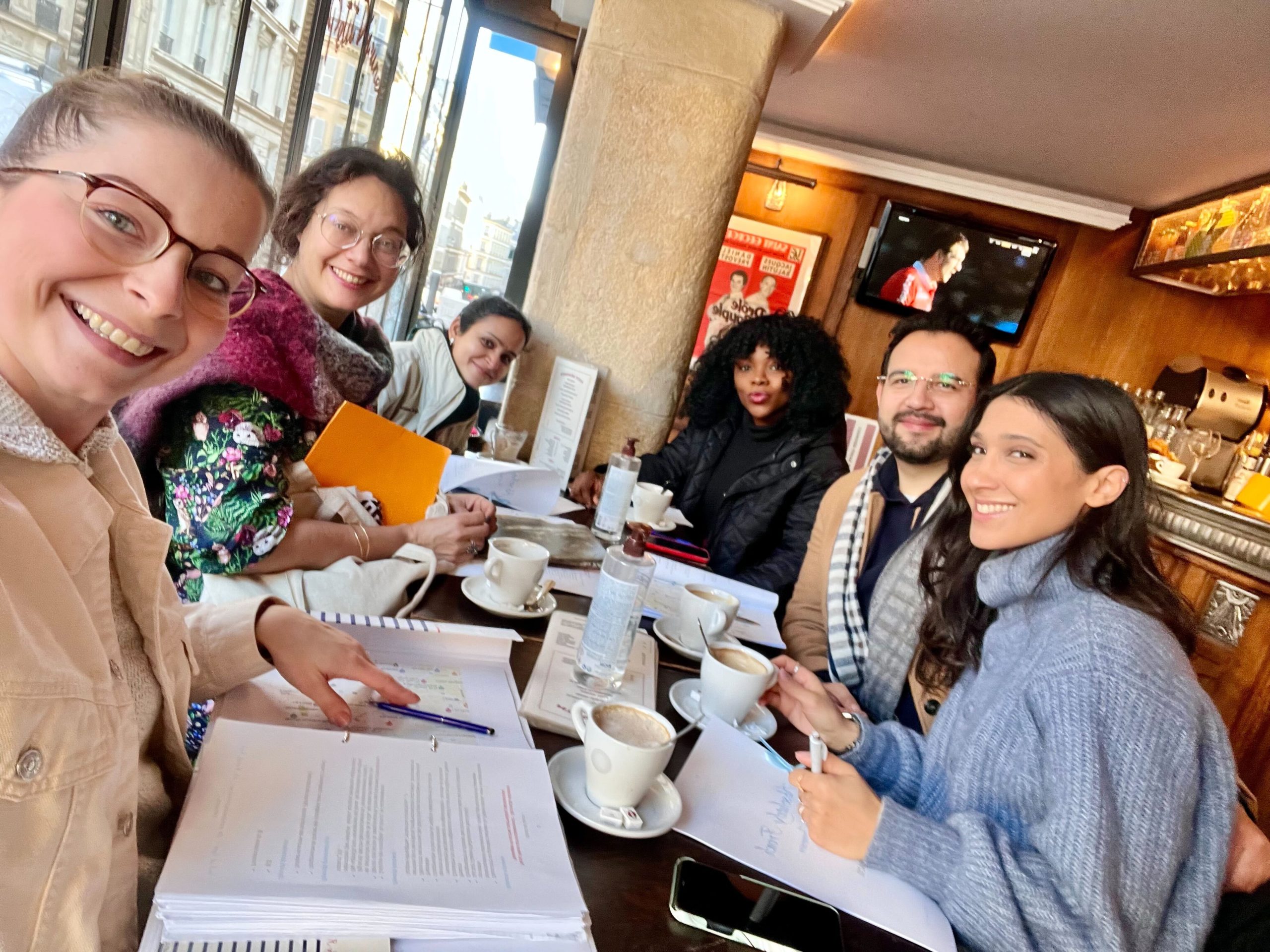
Moving to Paris can feel like the beginning of an exciting new chapter. The city offers a rich cultural life, beautiful neighbourhoods, international opportunities and unforgettable experiences.
However, settling into life in France is not always easy, especially for an expatriate spouse or partner. While one partner may quickly adapt to a new job and professional environment, the other may need to rebuild their social life, confidence, independence and career from the ground up.
You may live in Paris without feeling truly at home.
This experience is common among expatriate partners, but it is rarely discussed before an international relocation. Feeling settled does not happen automatically with time. It develops gradually as you create your own routine, build new relationships and discover your place in the city.
What does expat partner integration in Paris mean?
Expat partner integration in Paris is the process of creating a fulfilling and independent life after moving to France. It includes more than completing administrative tasks or finding accommodation.
True integration involves:
- Building a social network in Paris
- Learning French for everyday communication
- Discovering your local neighbourhood
- Developing personal routines
- Understanding French culture and social codes
- Exploring professional opportunities
- Creating a sense of independence
For many expatriate spouses, these elements are essential to feeling confident and connected in their new home.
Start with a personal routine
A successful relocation is often measured by major milestones, such as finding an apartment, registering with local services or beginning a new job. These steps are important, but they do not necessarily make Paris feel like home.
That feeling is often created through small, repeated experiences.
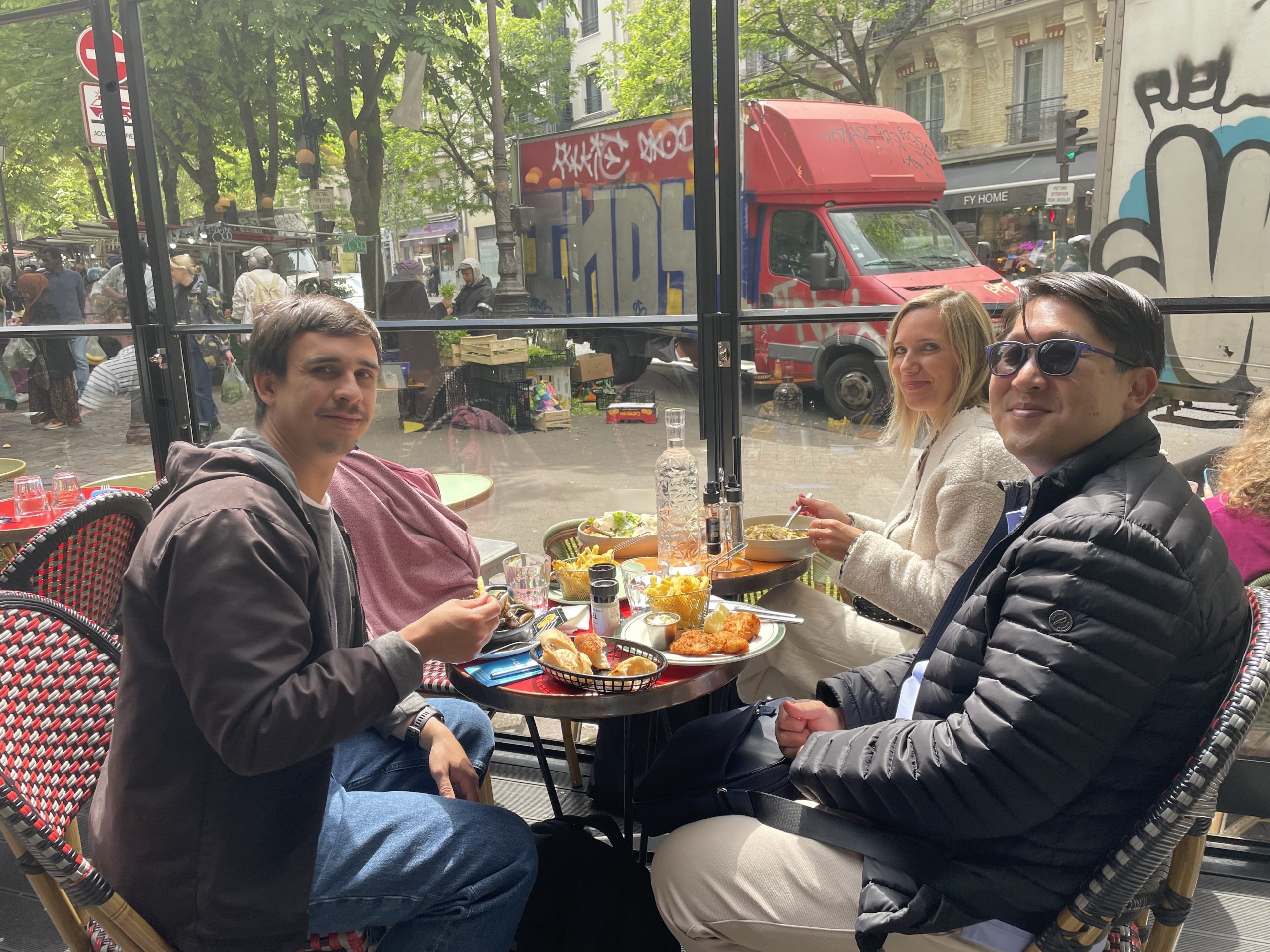
You may begin to feel more settled when you find a favourite café, recognise the staff at your local bakery or discover a park where you enjoy walking. Familiarity grows when you know where to shop, which streets to take and where to go when you need help.
Creating a regular routine is one of the most effective ways to support expat integration in Paris. A French class every Tuesday, a visit to the market on Friday or a walk through your neighbourhood after lunch can provide structure and stability.
For an expatriate spouse or partner, having a routine that belongs to you is especially valuable. It creates personal space beyond your partner’s job and the practical responsibilities of moving abroad.
Build a social network in Paris
Moving to France often means leaving behind the people who were part of your everyday life. Friends, family members, neighbours and colleagues may suddenly be several hours away by plane.
Making new friends in Paris takes time. The city is busy, social customs may be unfamiliar and language barriers can make spontaneous conversations more difficult. As a result, many expatriate partners experience loneliness, even when they live in a vibrant international city.
Joining a regular group or activity can make the transition easier. Consider participating in:
- French language classes
- Cultural workshops
- Professional networking events
- International community groups
- Sports clubs
- Creative activities
- Local associations
Regular contact helps relationships develop naturally. A first conversation can lead to a second meeting, a shared experience and eventually a genuine friendship.
Connecting with other expatriates can also provide reassurance. People who have experienced international relocation understand the practical and emotional challenges involved. They can offer advice, encouragement and a safe space to discuss your experiences.
Expat spouse support is not only about practical information. It is also about feeling welcomed, understood and connected.
Learn French to gain confidence and independence
Learning French in Paris is one of the most effective ways to feel more independent. Even basic French can make everyday life easier and help you participate more fully in your community.
At first, simple conversations may feel difficult. You may understand the words but struggle to respond quickly. You may feel nervous about your accent or worry about making mistakes.
The important thing to remember is that confidence usually comes from practice. You do not need to speak perfect French before using the language in daily life.
Ordering lunch, asking for information in a shop or speaking with a neighbour can become meaningful steps towards greater autonomy. These everyday interactions help you understand not only French vocabulary, but also tone, politeness and cultural habits.
The goal is not perfection. The goal is participation.
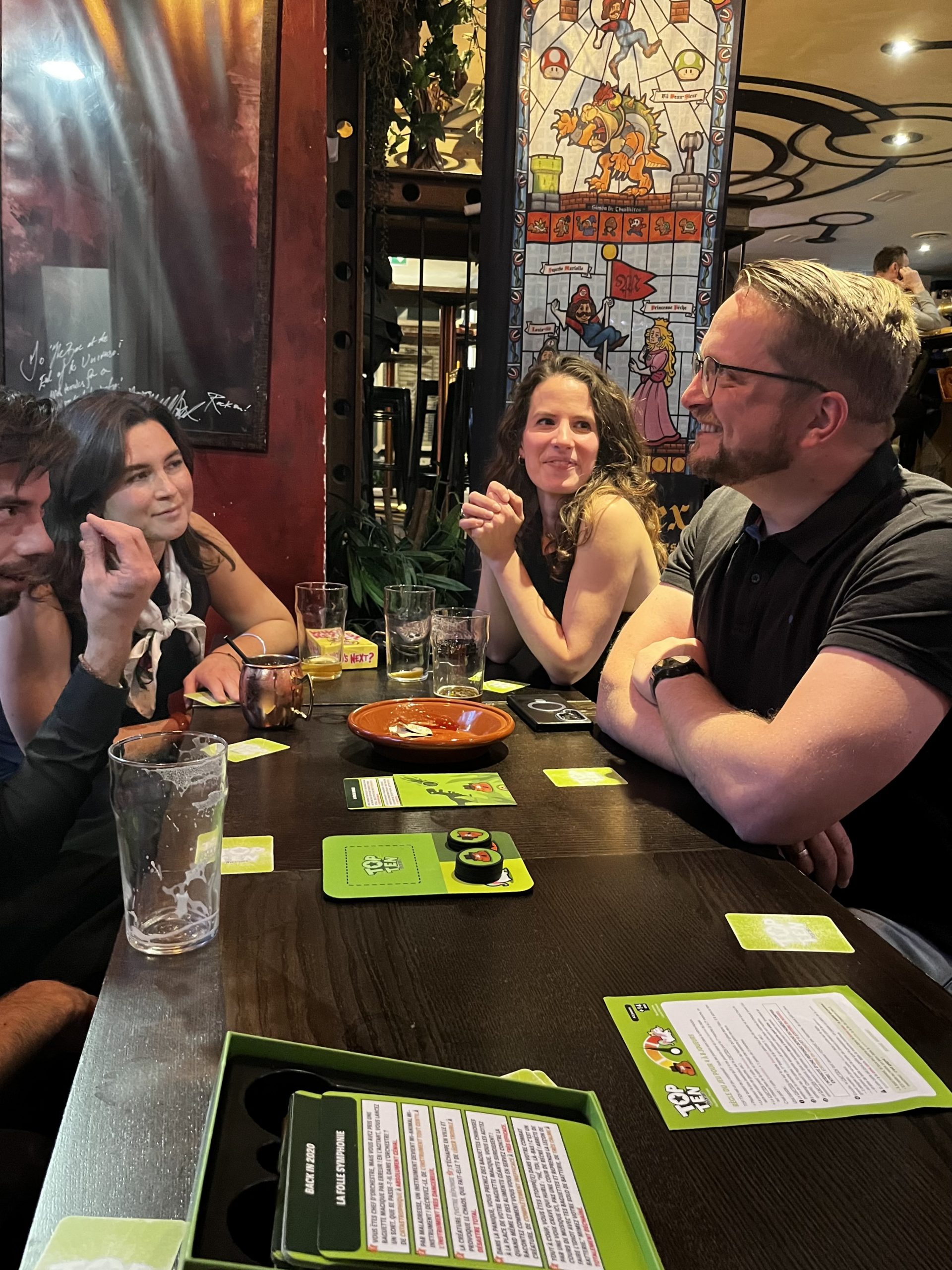
At Absolutely French, our practical programmes help expatriate partners learn French through real experiences in Paris:
- Play & Learn, for an enjoyable and interactive approach
- Stroll & Learn, combining language practice with city exploration
- Cook & Learn, using food and conversation to develop confidence
When French is connected to places, people and activities, learning becomes more natural. Paris becomes part of the classroom.
Discover your neighbourhood
When people think about Paris, they often imagine the Eiffel Tower, the Louvre or the Champs-Élysées. However, a sense of belonging usually begins closer to home.
Your neighbourhood can become your first community.
Explore the places that shape local life, including:
- Markets
- Independent cafés and shops
- Libraries
- Parks and gardens
- Sports clubs
- Cultural centres
- Local associations
These places offer more than practical services. They create opportunities to practise French, meet local residents and recognise familiar faces.
Exploring your neighbourhood also changes your relationship with Paris. The city becomes more than a tourist destination. It becomes a collection of familiar streets, cafés and personal memories.
Over time, you may find that you can travel around more confidently, make decisions independently and manage daily tasks without relying on someone else. This growing local knowledge is an important part of expat partner integration in Paris.
Continue your professional journey
Professional identity is another important part of feeling settled abroad. An international relocation may interrupt your career, change the value of your previous qualifications or make your next step unclear.
Some expatriate partners want to continue in the same profession. Others use the move as an opportunity to change careers, start a business or explore a new area of interest.
Whatever your goal, building a professional network in France can be extremely helpful.
Networking does not have to begin at a formal business conference. It can start during a workshop, a language class, a community event or an informal coffee. Each conversation can help you:
- Understand the French job market
- Discover professional opportunities
- Learn about local expectations
- Improve your professional confidence
- Meet potential mentors or collaborators
- Present your international experience more effectively
Many professional opportunities are shared through relationships and recommendations. Building a network helps you become more visible and better connected.
A career break caused by relocation does not erase your skills or experience. With the right expat partner career support, it can become the beginning of a new professional chapter.
Create a life that feels like your own
Feeling at home in Paris does not happen simply because you have received your keys or unpacked your belongings.
It happens gradually, through everyday experiences.
You may begin to feel settled when your week has a familiar rhythm, when you have someone to call for coffee or when you complete a task in French without overthinking it. It may happen when your local shopkeeper recognises you or when a professional conversation leads to an unexpected opportunity.
Each moment may seem small, but together they create a strong sense of belonging.
Expatriate partner integration is not about replacing the life you had before. It is about creating a new life where your identity, ambitions, relationships and independence continue to develop.
How Absolutely French supports expatriate partners in Paris
At Absolutely French, we help expatriate spouses and partners create a more confident and connected life in France.
Our support combines:
- Practical French courses
- Cultural experiences
- Neighbourhood exploration
- Professional workshops
- Opportunities to meet an international community
- A welcoming environment for expats and their partners
Our goal is to help you communicate more confidently, understand French culture, build meaningful relationships and feel comfortable in your daily life.
You may have moved to Paris because of your partner’s opportunity, but your experience in France should also be your own.
Would you like to improve your French, meet new people and feel more at home in Paris? Discover the Absolutely French programme and meet our team.
Frequently asked questions about expat integration in Paris
How can expatriate partners meet people in Paris?
Joining regular activities is one of the best ways to meet people. French classes, cultural workshops, professional events, sports clubs and international communities can help you build relationships naturally over time.
Do I need to speak fluent French to integrate in Paris?
No. Basic French is enough to begin participating in daily life. Confidence develops through regular practice, even when you make mistakes.
What is the best way to learn French in Paris?
The most effective approach combines structured lessons with real-life practice. Activities such as walking, cooking and exploring local areas can help you use French in practical situations.
How can I continue my career after moving to France?
Start by identifying your professional goals, improving your French and building a local network. Workshops, networking events and career support programmes can help you understand the French employment market.
How long does it take to feel at home in Paris?
There is no fixed timeline. Integration develops through regular routines, personal connections, practice and participation in local life. Small steps can make a significant difference over time.