
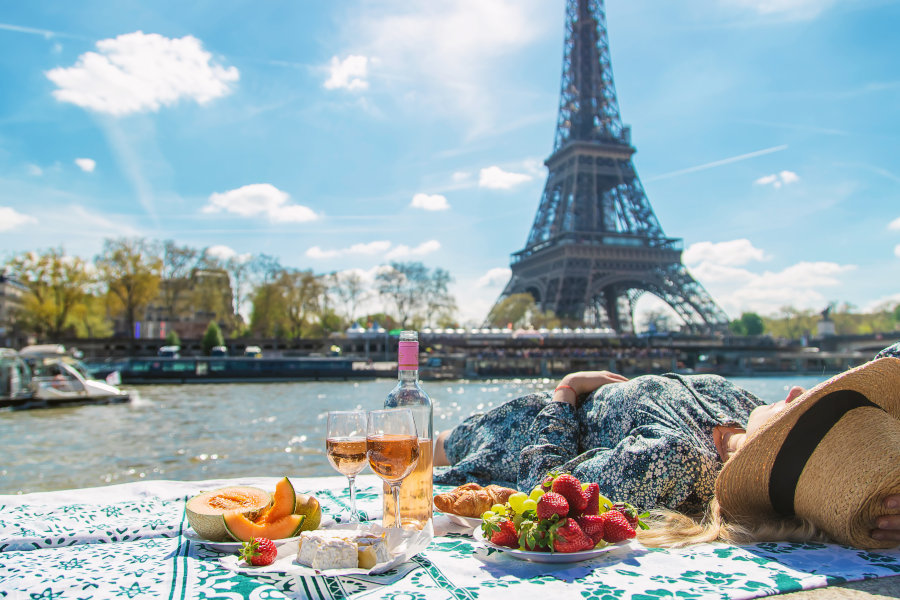
What if understanding French summer habits helped you feel less like a visitor and more like someone who truly belongs in Paris? For many expats and expat partners, summer in France can feel surprising. Emails slow down, colleagues disappear on holiday, favorite bakeries close for several weeks, friends talk about la rentrée before August is even over, and social life moves to terraces, parks, riverbanks, and long evening apéros. At first, this rhythm may feel confusing. But once you understand it, summer becomes one of the best ways to read French culture from the inside.
Before going further, two related articles can help you feel more confident in this seasonal transition. On Absolutely French, French Calendar Hidden Codes: Read France Like a Local Guide explains how public holidays, school breaks, long weekends, August, and la rentrée shape everyday life in France. It is useful because French summer habits are not random. They are part of a wider cultural calendar that influences families, shops, work, social life, and even friendships. On Absolutely Talented, How to Leverage Seasonal Storytelling in Your Personal Brand shows how each season can become a moment to reflect on your journey and tell your story with more clarity. It is helpful for expats because summer often becomes a time to pause, reconnect with yourself, and prepare a new chapter in France. Reading both will help you understand one essential idea: in France, summer is not only a season. It is a cultural rhythm.
Why French summer habits matter when you live in Paris
When you first arrive in Paris, you may think integration is mainly about learning French, understanding administration, finding a home, or meeting people. All of that matters. But integration also happens through smaller cultural details. It happens when you understand why your local boulangerie closes in August. It happens when you know how to say “bonnes vacances” at the right moment. It happens when you stop feeling frustrated by slower replies and start recognizing the rhythm of French summer.
For expats, these details make daily life easier. They reduce misunderstandings. They help you anticipate. They also give you small chances to participate in French conversations. When someone asks, “Vous partez où cet été ?” you are not only being asked about holidays. You are being invited into a shared cultural moment.
1. August can feel strangely quiet
One of the first French summer habits expats discover is the quietness of August. In Paris, some neighborhoods feel emptier. Some offices work with reduced teams. Some restaurants and shops close temporarily. Some friends leave for the countryside, the coast, or family homes. Even professional conversations may slow down.
At first, this can feel lonely, especially for expat partners who are still building a social circle. You may wonder where everyone went. You may feel like the city is suddenly less available. But this quietness is part of the French rhythm.
Instead of seeing August as an empty month, use it as a softer period. Walk through a new neighborhood early in the morning. Visit museums when the city feels calmer. Practice French in low pressure situations. Explore markets. Try a new café. Write down the phrases you hear around you.
August can become a beautiful moment of observation. Paris does not disappear. It changes tempo.
Useful phrase: “C’est calme au mois d’août à Paris.”
2. Holidays are part of the culture, not a guilty pleasure
In some countries, taking long holidays can feel uncomfortable or even risky. In France, holidays are deeply connected to work life balance, family life, and social rhythm. Paid leave is part of the French working culture. Service Public explains that employees acquire paid annual leave each month, with common rules based on 2.5 working days per month of actual work. You can read the official explanation here: Can we postpone our unused paid leave after May 31?.
For expats, this matters because it helps you understand why so many people protect their summer break. Holidays are not only about travel. They are about rest, family, mental space, and returning in September with energy.
If you live in France, learning this rhythm can also help you release guilt. Rest is not laziness. In French culture, taking time off can be seen as normal and necessary. Even if you are not yet working in France, you can still learn from this habit. Summer is a good moment to breathe, slow down, and reconnect with your own needs.
Useful phrase: “Je vous souhaite de bonnes vacances.”
3. The apéro becomes a summer social code
If you want to understand French summer habits, you need to understand the apéro. Short for apéritif, the apéro is a relaxed moment before dinner, often with a drink, small snacks, and conversation. It can happen at home, on a terrace, by the Seine, in a park, or after work.
For expats, the apéro is a precious integration tool. It is less formal than dinner and easier to accept as an invitation. You do not need to prepare a perfect meal. You just need to show up, share something simple, and join the conversation.
It is also a good way to practice French naturally. You can listen, ask simple questions, laugh, learn expressions, and understand how people interact outside formal settings. Many friendships in France grow through repeated informal moments like this.
Useful phrase: “On prend un verre cette semaine ?”
4. Shops may close, and it is normal
Many expats discover this too late: your favorite bakery, dry cleaner, restaurant, or small local shop may close for several weeks in summer. The sign usually says “fermeture annuelle” or “congés d’été.”
At first, this can feel inconvenient. You finally found the perfect bakery, and suddenly it is closed until the end of August. But this is part of neighborhood life in France. Small business owners also take holidays, often at the same time as the rest of the country.
The practical tip is simple: anticipate. Check closure dates. Ask before August. Find a backup bakery, pharmacy, or local service. Do not wait until the last minute for important errands.
Useful phrase: “Vous fermez pendant les vacances d’été ?”
5. Summer conversations have their own vocabulary
French summer has its own small phrases. Learning them helps you participate in everyday life.
You will hear:
“Tu pars où cet été ?”
“Vous êtes là en août ?”
“Bonnes vacances !”
“On se voit à la rentrée.”
“Profitez bien.”
These phrases are simple, but they matter. They show that you understand the season. They help you connect with neighbors, teachers, colleagues, shopkeepers, and new friends.
For expats learning French, seasonal vocabulary is very useful because it appears again and again. You do not need advanced grammar to join the conversation. A short, warm answer is enough.
For example:
“Je reste à Paris en août.”
“Je vais découvrir la Bretagne.”
“On se revoit à la rentrée.”
These little sentences help you feel included.
6. Heat changes the way people live in the city
French summer can also mean high temperatures, especially in Paris, where heat can feel intense because of buildings, transport, and limited air conditioning in some places. Santé publique France regularly shares prevention advice during periods of extreme heat and reminds people to adopt the right habits, such as staying hydrated and protecting vulnerable people. You can read their official guidance here: Extreme heat affects us all: let’s adopt the right habits.
For expats, this is important because summer routines may need to change. You may go out earlier in the morning, choose shaded streets, carry water, avoid intense activity during the hottest hours, and look for cooler places like museums, libraries, churches, or parks.
In Paris, heat is also a social topic. People talk about it in shops, elevators, cafés, and offices. It becomes a way to start a conversation.
Useful phrase: “Il fait vraiment chaud aujourd’hui.”
7. Paris moves outdoors
In summer, Paris opens differently. Terraces fill up. Parks become meeting places. People sit by the Canal Saint Martin, walk along the Seine, attend open air cinemas, visit festivals, or have picnics in gardens. The city becomes more social, more visible, and sometimes more relaxed.
For expats, this is an opportunity. If you feel isolated, summer can help you leave your apartment and enter the life of the city gently. You do not need a big plan. Choose one small outing each week. Visit a market. Sit in a park. Join a walking tour. Attend a free cultural event. Invite someone for coffee.
Integration often begins with repeated simple moments. The more you live the city, the less foreign it feels.
Useful phrase: “Tu connais un endroit sympa pour se poser dehors ?”
8. Meals become lighter, longer, and more social
French summer habits also appear at the table. Meals may become lighter, but the social rhythm remains important. Salads, fruit, cheese, cold dishes, picnics, and shared plates become common. People may eat later because evenings are longer. A simple outdoor meal can last for hours.
For expats, this is a good reminder that food in France is not only about eating. It is about connection. A picnic can become a friendship moment. A market visit can become a language lesson. A dinner invitation can become a cultural experience.
If you are invited somewhere, bring something small. Fruit, dessert, flowers, or a simple specialty from your country can be a lovely gesture. You do not need to overdo it. Thoughtfulness matters more than perfection.
Useful phrase: “Qu’est ce que je peux apporter ?”
9. La rentrée starts before summer ends
One of the most important French summer habits is talking about la rentrée before the summer is even finished. La rentrée means the return to school, work, routines, activities, and social life after the holidays. But in France, it is almost a cultural reset.
For expats, la rentrée is very important. It is the moment when associations restart, French classes open, schools return, professional events come back, and people begin new routines. If summer feels slow, la rentrée brings movement.
This is a perfect moment to join a class, restart language learning, attend workshops, create a weekly routine, reconnect with people, or set new goals for your life in Paris.
Useful phrase: “On se retrouve à la rentrée.”
10. Summer can help you feel more local
The best way to understand French summer habits is not only to read about them, but to live them. Say bonjour in your local shops. Ask about holiday closures. Try an apéro. Notice how people talk about holidays. Use summer phrases. Walk in your neighborhood. Observe the rhythm.
Little by little, these habits become familiar. The sign “fermeture annuelle” no longer surprises you. “Bonnes vacances” comes naturally. “On se voit à la rentrée” starts to make sense. You begin to understand not only the words, but the feeling behind them.
That is integration. Not becoming someone else. Not copying everything perfectly. But learning how the culture breathes and finding your own place inside it.
Common mistakes expats make during French summer
The first mistake is expecting the same rhythm as the rest of the year. France has seasons, and social life follows them strongly.
The second mistake is taking slow replies personally. In summer, silence often means holidays, not rejection.
The third mistake is forgetting to check shop closures. In August, anticipation saves stress.
The fourth mistake is staying isolated because everyone seems away. Even in a quieter Paris, there are museums, parks, markets, cultural events, and language moments to explore.
The fifth mistake is ignoring la rentrée. September is one of the best moments to restart your integration journey.
The Absolutely French perspective
At Absolutely French, we believe that learning French is also learning how France lives. French summer habits are part of this learning. They teach you about time, rest, family, social connection, food, greetings, and seasonal rituals.
For expats and expat partners, these habits can become small keys to belonging. You understand when to slow down. You learn what to say. You know what to expect. You find ways to join conversations. You stop feeling outside the rhythm of the city.
Paris becomes home when you live it like a local. And summer is one of the most beautiful seasons to practice that.
Conclusion: summer is a cultural key
The expat guide to French summer habits is not only about holidays, apéros, closed shops, heat, and la rentrée. It is about understanding how France organizes time, relationships, rest, and daily life.
For newcomers, this rhythm can feel strange at first. But with curiosity, it becomes easier to understand. You learn to anticipate closures, accept slower replies, enjoy outdoor life, use seasonal phrases, and prepare for September.
So if Paris feels different in summer, do not worry. You are not missing something. You are discovering something.
Use this season to observe, practice French, meet people gently, enjoy small local rituals, and prepare your rentrée with confidence.
One day, you will say “bonnes vacances” without thinking, plan around August closures, and smile when someone says “on se voit à la rentrée.” That is the moment you will know: French summer is no longer a mystery. It has become part of your Paris life.