

Why Health Insurance in France Feels Confusing at First
What if one of the most stressful parts of moving to France was not finding a flat or opening a bank account, but simply understanding how to see a doctor with peace of mind? For many newcomers, health insurance in France feels confusing at first because the system is strong, but the vocabulary, the paperwork, and the timing can be difficult to understand when you have just arrived.
If you want to feel more confident in daily life, Bonjour to Confidence: Learning French for Career Growth is worth reading because it shows how language helps you manage real situations such as medical appointments, pharmacies, and administrative conversations. At the same time, Talent Without Borders: How to Pitch Yourself in a Global Job Market is a valuable companion piece because relocation is never only logistical. It also affects your confidence, your career rhythm, and the way you tell your story during transition. Together, these two articles can help newcomers feel stronger both personally and professionally while settling into France.
Understanding the Basics of Health Insurance in France
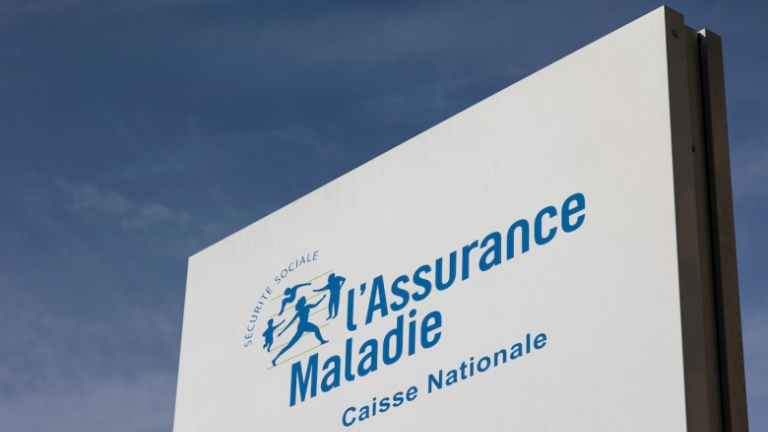
The first thing to understand about health insurance in France is that people often confuse three different elements. There is the public health insurance system, usually managed through Assurance Maladie and your local CPAM. There is the Carte Vitale, which is the card used to simplify reimbursements once your rights are active. And there is the mutuelle, which is complementary insurance that can cover all or part of the amount not reimbursed by the public system. Newcomers often think these are all the same thing, but they are not. Once you understand that public coverage and complementary coverage play different roles, the French system already becomes easier to navigate.
Why Your Personal Status Changes Everything
The second thing newcomers need to understand first is that access to health insurance in France is not identical for everyone. Your pathway depends on your situation. If you are working in France, your rights may be opened through your professional activity. If you are not working, you may be covered through lawful and stable residence under PUMa, also known as Protection Universelle Maladie. If you are a student, a retiree with an S1 form, an accompanying spouse, or a European citizen relying on another route, the process may look different. This is why the smartest first step is not to follow general advice from online groups, but to identify which administrative route matches your exact profile.
Why Choosing a Regular Doctor Early Matters
One important thing many newcomers discover too late about health insurance in France is that choosing a regular doctor, known as a médecin traitant, can affect how smoothly your care is managed and how well you are reimbursed. In France, this doctor becomes your main point of contact for everyday health concerns and helps coordinate specialist care when needed. This matters because if a doctor is not your declared médecin traitant, reimbursement can be lower in many cases. For readers who want to understand this clearly and take action early, the official French administration page on declaring your médecin traitant is a very useful resource: Declare your attending doctor.
Starting Work Can Change Your Access Faster
If you are employed in France, the situation is often more reassuring. In many cases, your rights are connected to your work activity, which can make access to health insurance in France more direct. This is why your job contract matters far beyond salary or title. It can also play a key role in your administrative stability and your access to healthcare. For many expat partners and international professionals, employment is not only about career development. It is also a bridge to practical security in everyday life. Understanding this can help newcomers prioritise the right administrative steps early.
Registering with CPAM Without Feeling Lost
Once you know which route applies to you, the next step is usually registration. This often means preparing documents for CPAM such as identity papers, proof of address, proof of legal stay, civil status documents, and bank details for reimbursements. Depending on your profile, additional documents may be required. This part can feel intimidating, especially when translations, certificates, and supporting paperwork are involved. But the real mistake is not that the process is detailed. The real mistake is waiting until you urgently need care before starting. Health insurance in France becomes much easier to manage when you begin early, keep all your copies organised, and follow up with patience.
What the Carte Vitale Really Does
Then comes the famous Carte Vitale. Many newcomers speak about it as if it were the insurance itself, but that is not exactly the case. The Carte Vitale is a practical card that confirms your rights are active and makes reimbursements smoother when you visit a doctor, pharmacy, or clinic. It is an essential part of daily healthcare life in France, but it comes after your registration, not before it. This distinction matters because some newcomers panic when they do not receive the card immediately. In reality, your file may still be progressing. Understanding this helps reduce unnecessary stress and gives a clearer picture of how health insurance in France works in real life.
Why the Mutuelle Matters So Much
Once newcomers understand the public system, the next big question is usually this: do I still need a mutuelle? In many cases, yes. Public health insurance in France often reimburses only part of medical expenses, and the mutuelle helps cover the rest depending on the plan you choose. This can make a real difference for doctor consultations, dental care, glasses, hospital costs, and specialist visits. If you work in the private sector, you may also benefit from employer provided complementary insurance, which is often a major advantage. To understand what this means in practice, the official Service Public guide on complementary health insurance is especially useful.
The Questions You Should Ask Early
This is where many international households can save time, money, and stress by asking better questions from the beginning. Instead of asking only whether you are covered, ask what exactly is reimbursed. Ask whether your employer already provides a mutuelle. Ask how your spouse or children can be included. Ask what happens while your file is still being processed. These are the questions that make health insurance in France manageable. A household that understands the difference between public coverage, reimbursement timing, and complementary insurance will feel calmer much faster. That peace of mind is incredibly valuable during the first months of relocation.
Why You Should Never Copy Someone Else’s Situation
Another very common mistake is assuming that every newcomer follows the same path. Students may have one procedure. Retirees with an S1 may have another. European citizens may rely on coordination rules linked to their country of origin. Accompanying spouses may have rights that depend on their own residence and work status rather than only on their partner’s situation. That is why copying a friend’s experience can be misleading, even if they moved recently and live in the same city. Health insurance in France is not impossible to understand, but it is highly personal. The right answer depends on your legal status, your nationality, your residency pattern, and sometimes your source of income.
The Emotional Side of Healthcare Abroad
There is also a more human side to this topic that people do not always mention. Understanding healthcare is not just administrative. It is emotional too. When you know how to book an appointment, which documents to bring, what may be reimbursed, and where to ask for help, you feel safer in your new country. You stop seeing every health issue as a possible crisis. A child’s fever, a prescription renewal, a specialist visit, or a dental emergency become manageable situations instead of moments of panic. In that sense, learning how health insurance in France works is part of integration itself. It is one of those invisible steps that turns a foreign country into a place where you can actually breathe.

What Newcomers Need to Understand First
So what do newcomers really need to understand first? Not every reimbursement percentage. Not every form. Not every technical detail. First, they need to understand the logic of the system. Health insurance in France is built around status, residence, and rights. Public coverage and complementary coverage are not the same thing. The Carte Vitale is not the starting point, but the result of successful registration. And the right pathway depends on who you are when you arrive in France. Once that logic becomes clear, the rest starts to feel much less intimidating.
Conclusion
Moving to France asks a lot from newcomers. You are learning a language, discovering a new culture, and rebuilding your daily life from the ground up. So if health insurance in France feels confusing at first, that does not mean you are doing anything wrong. It simply means you are in the normal first chapter of expatriation. Start with your status. Use official resources. Prepare your documents early. Ask precise questions. And remember that understanding the healthcare system is not just about paperwork. It is about creating security for your everyday life, your family, and your future in France.

Absolutely French – Who We Are – Companies Services
Absolutely French is the first French language school entirely dedicated to expat partners and expatriates.
Our mission:
To support dual careers in expat families by helping partners integrate quickly and confidently into French life.
Our method:
Fun, friendly, and innovative French courses that guarantee results — and help build a local network.
 Looking for French classes tailored for expat partners? Want to register your employee’s spouse for a high-quality program?
Let’s connect!
 Email: contact@absolutelyfrench.com
 Phone: +33 (0)1 83 73 98 49
 Address: 4, rue Faraday, 75017 Paris