
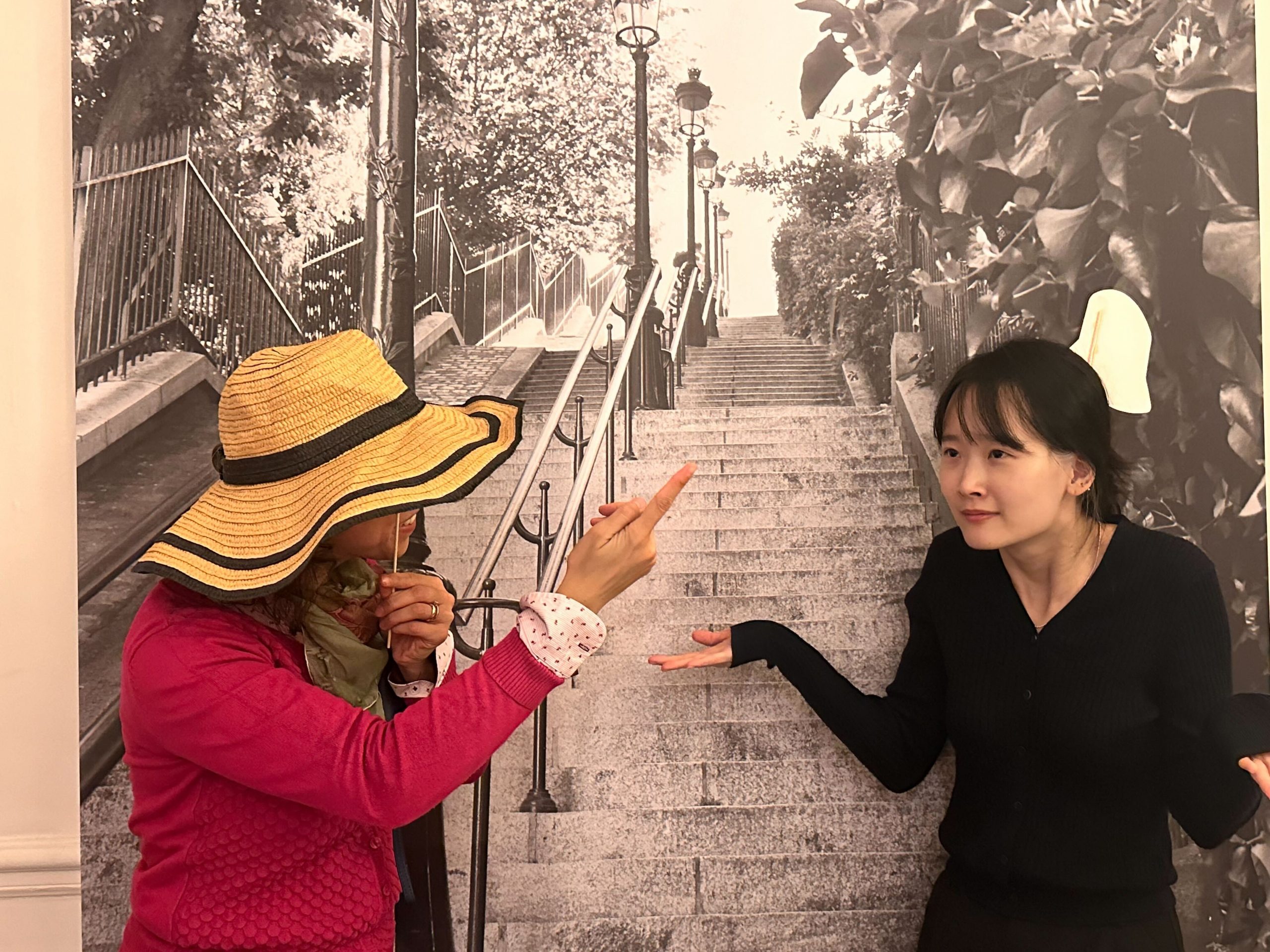
What if the hardest part of living in Paris was not the paperwork, the metro, or even the French language, but the invisible social codes nobody explains clearly? Many expats arrive in France ready to learn vocabulary, visit museums, and build a new routine. Then, little by little, they realise that daily life is shaped by subtle rules. You say bonjour before asking a question. You do not jump too quickly into personal topics. You learn when to use vous, when to use tu, when to arrive on time, and when not to. These French social codes can feel confusing at first, but once you understand them, Paris becomes much easier to read.
Before going further, two related articles can help you feel more confident in your French integration journey. On Absolutely French, French Calendar Hidden Codes: Read France Like a Local Guide explains how school holidays, Sundays, August, public holidays, and la rentrée shape the rhythm of life in France. It is useful because social codes are not only about words, they are also about timing and habits. On Absolutely Talented, Networking in France in January: the soft way to restart your career shows how relationships in France often grow slowly, through trust, conversation, and subtle professional rituals. Reading both will help you understand that integration in Paris is not about becoming French overnight. It is about learning how to observe, adapt, and participate with confidence.
Why French Social Codes Matter So Much
French social codes can surprise expats because they are rarely written down. Nobody gives you a manual when you arrive in Paris. Yet these codes influence almost every interaction, from ordering bread to joining a parent meeting, attending a dinner, writing an email, or networking professionally.
For many newcomers, the first misunderstanding is emotional. A shopkeeper may seem cold. A neighbour may seem distant. A colleague may seem formal. But very often, the problem is not rejection. It is a different rhythm of politeness.
In some cultures, warmth comes first and rules come later. In France, especially in Paris, respect often comes first and warmth develops slowly. This does not mean people are unfriendly. It means that many interactions begin with a small ritual. When you know the ritual, the door opens more easily.
The Bonjour Rule Comes Before Everything
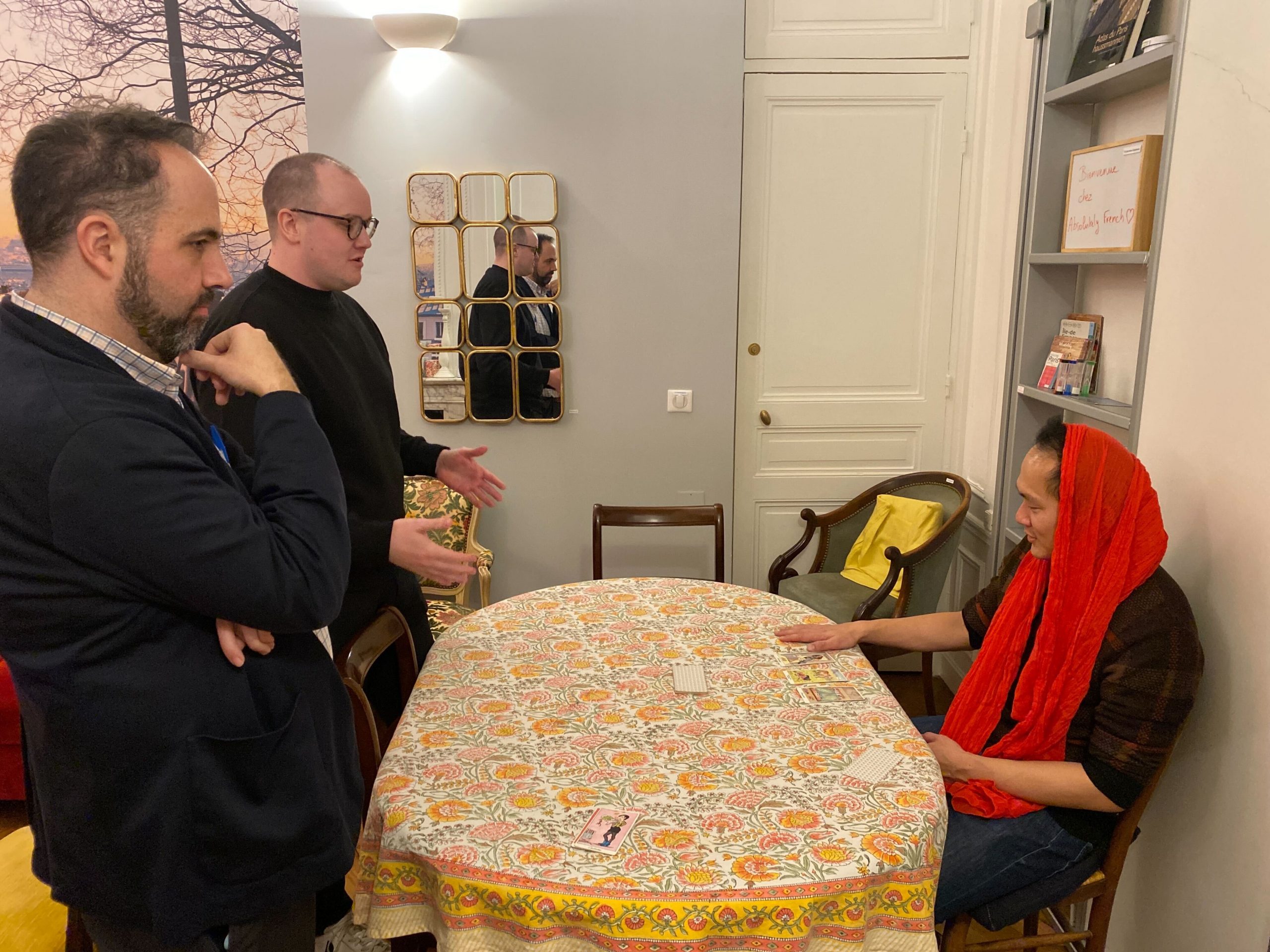
One of the most important French social codes is simple: always start with bonjour. In a shop, a bakery, a pharmacy, an office, a waiting room, or even before asking for directions, bonjour comes first.
Many expats discover this too late. They walk into a bakery and say, “Une baguette, please.” The sentence is understandable, but in France it may sound abrupt because it skips the human greeting. A better version is: “Bonjour Madame, je voudrais une baguette s’il vous plaît.”
This small word changes the entire tone. It tells the other person: I see you, I respect this interaction, I understand the local code. The University Paris Saclay guide for international students explains that greetings in France can include bonjour, a handshake, or la bise depending on the context, which shows how important the first moment of contact is in French social life. You can read more here: Adjusting to the French culture.
Useful phrase: “Bonjour, excusez moi, est ce que vous pouvez m’aider ?”
Vous Is Safer Than Tu at the Beginning
The difference between tu and vous is one of the French social codes that can feel stressful. In English, “you” works for everyone. In French, the choice says something about distance, respect, age, hierarchy, and familiarity.
When you are not sure, use vous. It is safer, more polite, and rarely offensive. You can use vous with shopkeepers, teachers, doctors, administrative staff, new colleagues, neighbours you do not know well, and people you meet in formal settings.
Tu usually comes later, when someone invites it or when the context is clearly informal. Among young people, friends, classmates, or relaxed groups, tu may appear quickly. But in Paris, especially in professional or administrative situations, starting with vous shows respect.
The key is not to panic. If someone says, “On peut se tutoyer,” it means they are inviting you to use tu. Until then, vous is your best friend.
Useful phrase: “Je peux vous tutoyer ?”
Politeness Is Not Optional
In France, politeness is not decoration. It is part of the structure of interaction. Bonjour, s’il vous plaît, merci, excusez moi, bonne journée, au revoir: these words matter.
Expats sometimes focus so much on speaking correctly that they forget the small polite words around the sentence. But in France, a grammatically imperfect sentence with good politeness often works better than a perfect sentence that sounds too direct.
For example, instead of saying “I need this document,” you can say, “Bonjour, excusez moi, j’aurais besoin de ce document, s’il vous plaît.” The difference is huge. It feels softer, more respectful, and more culturally appropriate.
This is especially important in administration, schools, healthcare, and shops. French social codes reward effort and politeness. You do not need perfect French. You need a respectful opening.
Silence Does Not Always Mean Discomfort
Many expats discover that French conversations do not always follow the same rhythm as conversations in their home country. In some cultures, silence feels awkward and must be filled quickly. In France, a pause can simply mean that someone is thinking.
French people may take time before answering. They may not immediately share personal information. They may prefer reflection to constant enthusiasm. This can feel distant at first, but it is often a normal part of communication.
In professional situations, this is especially true. A thoughtful pause can be interpreted as seriousness. A very fast answer may sometimes seem less considered. Learning to accept silence is part of understanding French social codes.
This does not mean you should become quiet all the time. It means you do not need to panic when a conversation breathes.
Small Talk Exists, But It Has Different Boundaries
Expats sometimes say, “French people do not do small talk.” That is not exactly true. They do small talk differently.
In Paris, light conversation may include food, the weather, holidays, culture, transport problems, neighbourhood life, or weekend plans. But very personal questions can feel too direct at the beginning. Asking about salary, religion, politics, family choices, or private relationships may be uncomfortable unless the relationship is already close.
The best way to start is with neutral topics. Ask about a local recommendation, a museum, a market, a French expression, or a neighbourhood habit. This shows curiosity without pressure.
Useful phrase: “Vous connaissez un bon endroit dans le quartier ?”
Punctuality Depends on the Situation
Punctuality is one of the French social codes expats often misunderstand because the rule changes with context. For professional meetings, interviews, classes, medical appointments, and administrative appointments, being on time is important. Arriving late without warning can be seen as disrespectful.
The Cours de Civilisation Française de la Sorbonne explains that punctuality is a sign of respect in France, especially in professional or academic settings, and that informing someone in advance if you are late is expected. You can explore their article here: French courtesy and social rules.
Social invitations are more nuanced. If you are invited to a dinner at someone’s home, arriving a few minutes late may be acceptable and sometimes even preferred. But this does not apply to work or official appointments. The safest rule is simple: be on time for formal situations, and ask or observe for social situations.
Useful phrase: “Je suis désolé, j’aurai dix minutes de retard.”
The French Meal Is a Social Moment, Not Just Food
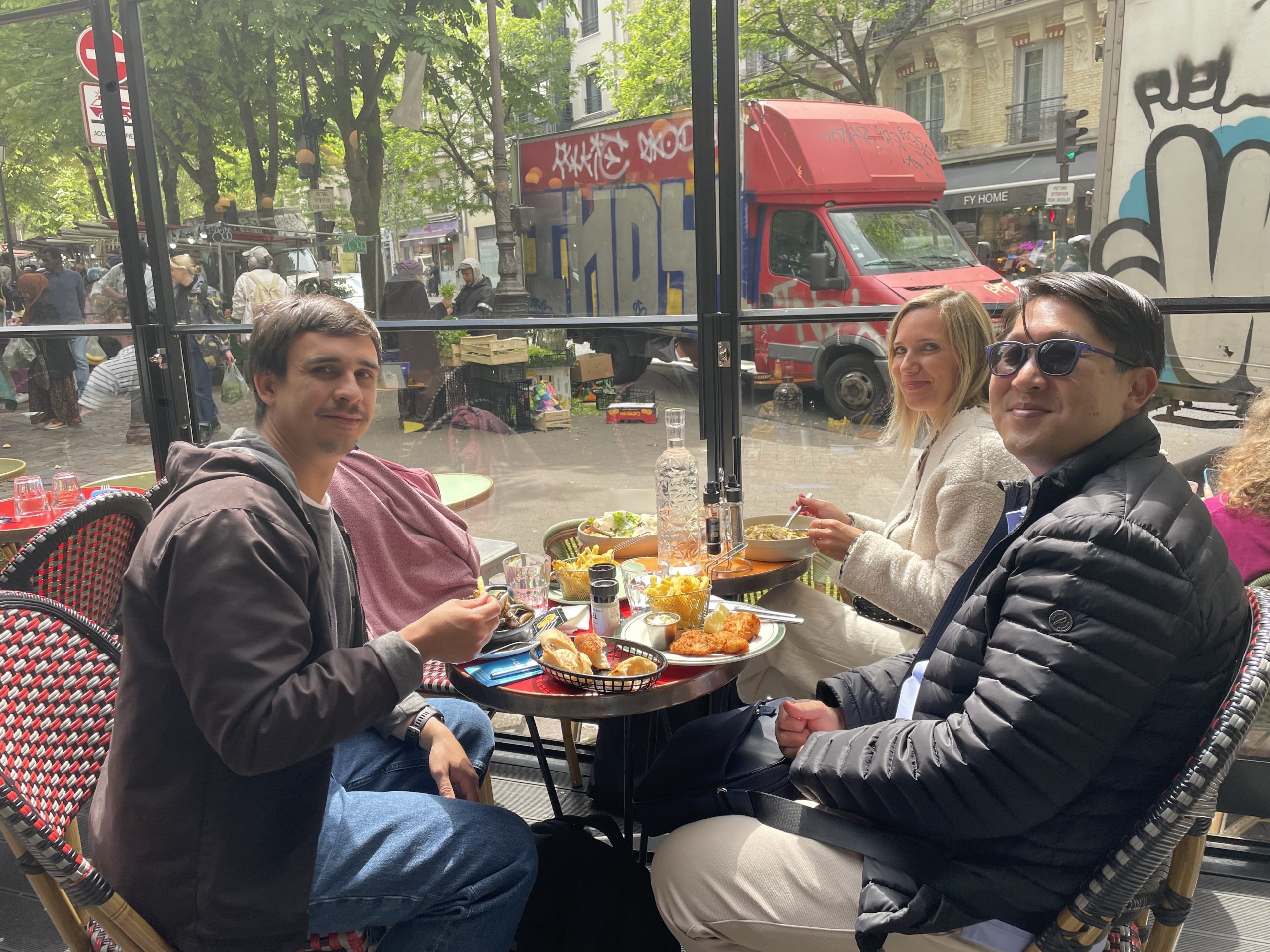
In France, meals are not only about eating. They are moments of conversation, rhythm, and connection. This can surprise expats who are used to faster lunches or more informal dinners.
At a French table, people often take time. They may talk before starting, wait until everyone is served, discuss food, and move through the meal slowly. Interrupting the rhythm too much, eating too quickly, or leaving immediately after the last bite can feel unusual in some contexts.
If you are invited to dinner, bringing something small is appreciated. Flowers, chocolates, or a thoughtful gift can work well. If you are unsure about wine, ask before bringing it, because the host may already have chosen wine for the meal.
The deeper code is this: food is relationship. Sharing a meal is often how trust grows.
Directness Has a French Style
French communication can feel direct, but it is not always direct in the same way expats expect. People may debate ideas openly, disagree intellectually, or ask precise questions. At the same time, social politeness and formality still matter.
This creates an interesting balance. A French person may challenge your opinion during a discussion, but still expect a polite tone. Disagreement is not always conflict. It can be a way to explore ideas.
For expats, this can be confusing. You may think someone is upset when they are simply debating. Or you may avoid giving an opinion because you fear sounding rude. The best approach is to stay calm, respectful, and curious.
Useful phrase: “Je comprends votre point de vue, mais je le vois un peu différemment.”
Privacy Is Respected More Than You Think
In Paris, people may not immediately ask personal questions or invite you into their private life. This can feel cold to newcomers who come from more open social cultures. But it often reflects a strong respect for privacy.
Friendship in France can take time. People may keep work, family, and close friendships separate. Invitations may come slowly. But once trust is established, relationships can become deep and loyal.
This is why integration can feel slow at the beginning. You may need repeated contact before a real connection forms. A language class, a local association, a regular café, a school group, or a weekly activity can help because repetition creates familiarity.
French social codes often reward consistency. Showing up again and again matters.
Complaining Can Be a Social Language
One funny code expats discover in France is the role of complaining. People may complain about transport, administration, weather, politics, work, or prices. At first, this can feel negative. But sometimes complaining is also a way to bond.
A shared complaint about the metro delay can become a small social bridge. It does not always mean people are unhappy. It can be part of conversation, humour, and collective expression.
Of course, you do not need to complain all the time. But understanding this habit can help you avoid misreading the mood. Sometimes a complaint is not a wall. It is an invitation to join the conversation.
Useful phrase: “Ah oui, c’est compliqué aujourd’hui avec les transports.”
How to Learn French Social Codes Faster
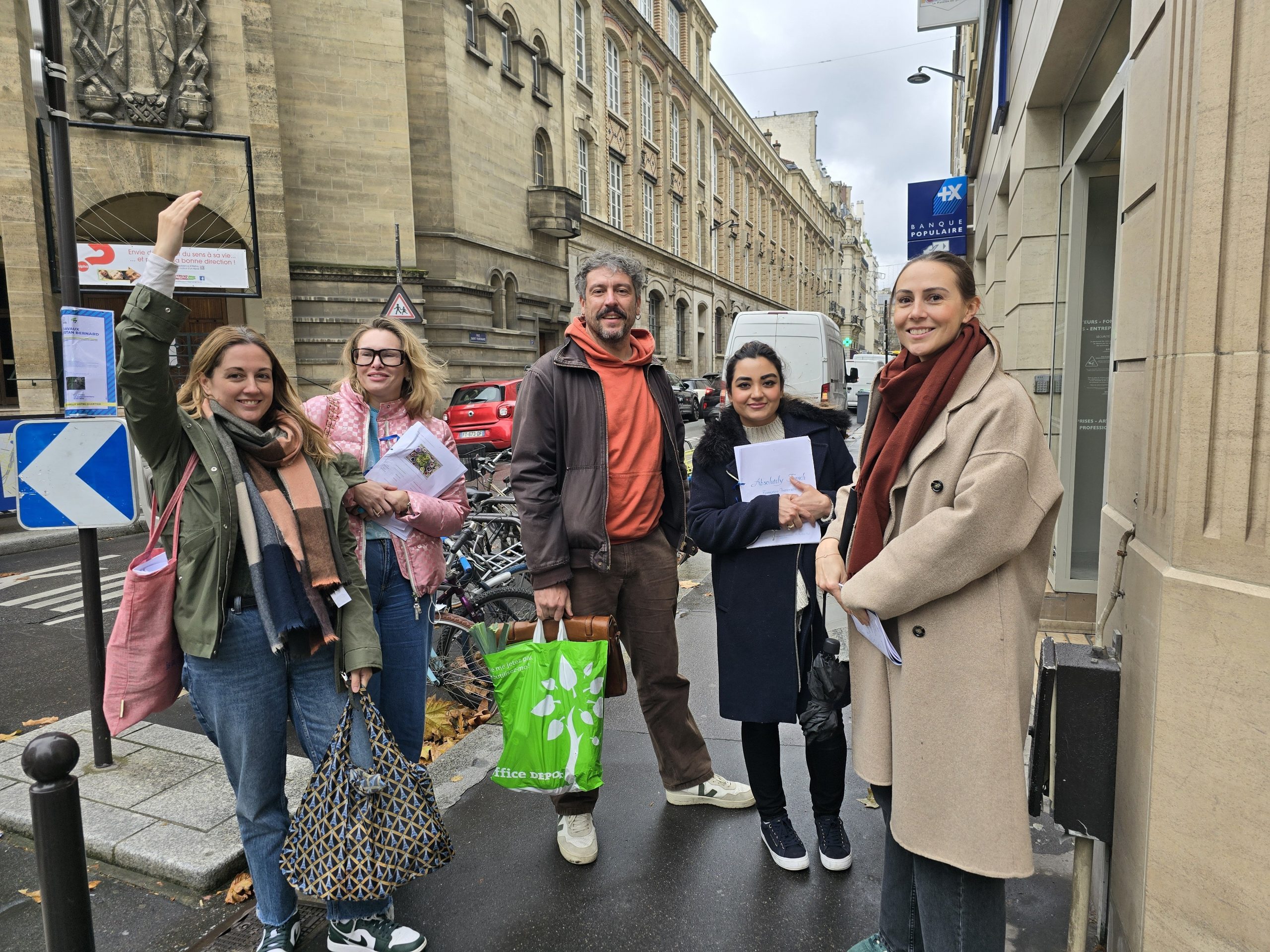
The best way to learn French social codes is not to memorise a list. It is to observe real life. Watch how people greet each other in shops. Notice how parents speak to teachers. Listen to how colleagues begin emails. Pay attention to how people say goodbye. In France, endings matter almost as much as beginnings.
You can also practice with low pressure situations. Go to the same bakery twice a week. Ask one simple question at the market. Join a French class that includes cultural immersion. Attend a neighbourhood event. The more you experience the codes, the less mysterious they become.
This is exactly where Absolutely French can help. Learning French through real situations allows expats and expat partners to understand not only what to say, but how, when, and why to say it.
Conclusion: Paris Becomes Easier When You Learn the Invisible Rules
French social codes are not there to exclude you. They are part of the cultural rhythm of everyday life. At first, they may feel invisible, strict, or intimidating. But once you understand them, they become tools. They help you enter conversations, show respect, build trust, and feel less lost.
You do not need to become perfectly French to feel at home in Paris. You only need to learn the small signals that make daily life smoother: say bonjour first, use vous when unsure, respect the rhythm of conversation, observe punctuality, protect privacy, and let relationships grow with time.
The beauty of integration is that every small code you learn gives you more confidence. One day, without noticing it, you will enter a bakery, smile, say “Bonjour Madame,” ask for what you need, and leave with a natural “Bonne journée.” That moment may look simple, but it means something important. Paris is no longer only a city you live in. It is becoming a place you understand.