
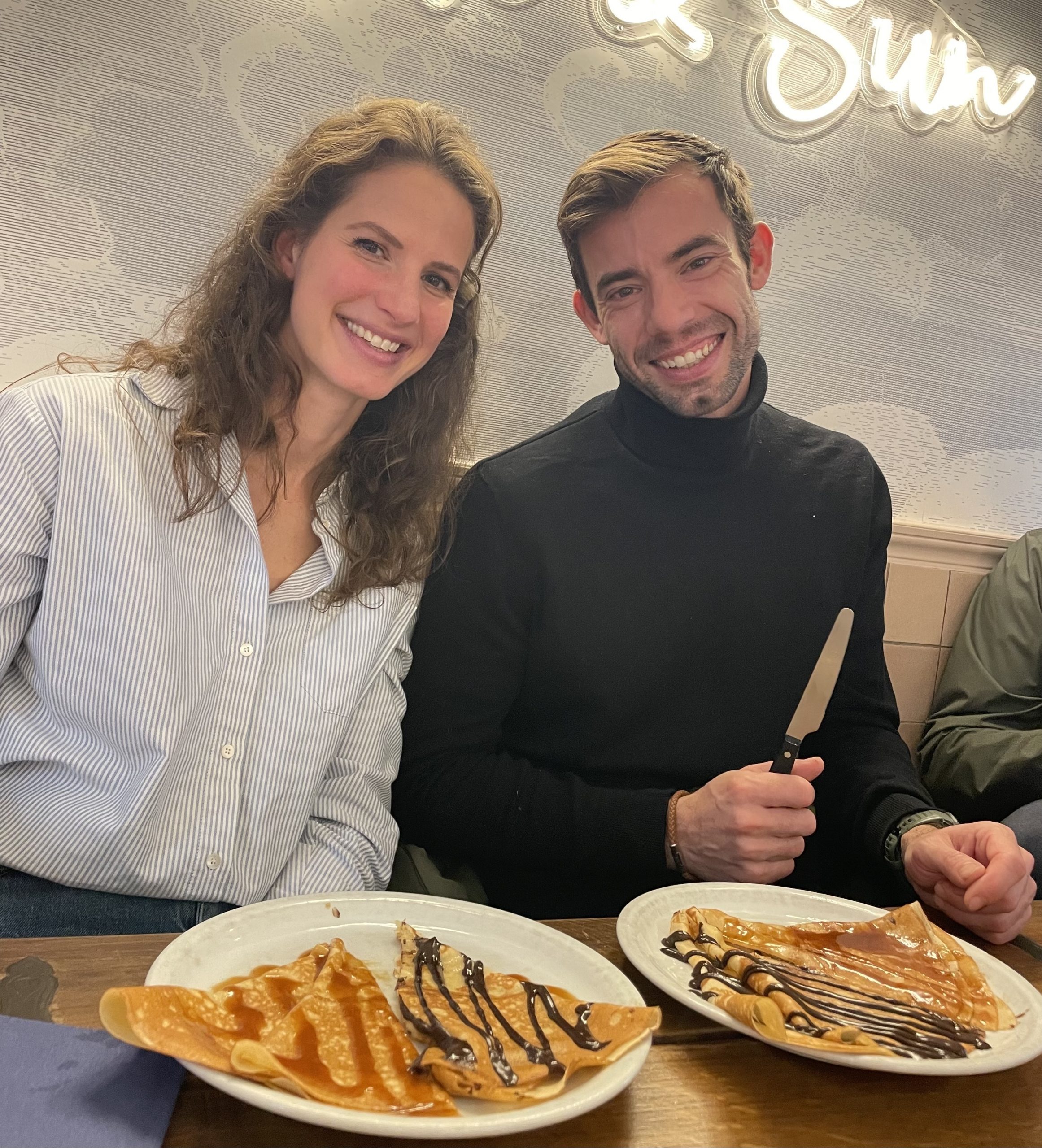
What if speaking more French in Paris did not start with a perfect sentence, but with one tiny challenge repeated every week? Many expats arrive in France with the same wish: to speak better French, feel more confident, and stop freezing when someone answers too quickly at the bakery, the pharmacy, the school gate, or the metro station. The problem is not always motivation. It is often fear. Fear of making mistakes. Fear of being judged. Fear of sounding too slow. But French confidence does not appear overnight. It grows through small, regular, real life actions.
Before going further, two related articles can help you build a stronger integration journey. On Absolutely French, Bonjour to Confidence: Learning French for Career Growth shows why French is not only a language skill, but also a key to autonomy, self esteem, and professional confidence in Paris. It is a perfect read if you want to understand why every small conversation can become part of your personal growth. On Absolutely Talented, Networking in France in January: the soft way to restart your career explains how professional relationships in France often grow through gentle, repeated conversations rather than fast pitching. Reading both will help you see one important thing: if you want to speak more French in Paris, you do not need to wait until you feel ready. You need to create small opportunities to practice, one week at a time.
Why Micro Challenges Work Better Than Big Promises
Many expats start with big goals. “I want to become fluent.” “I want to speak French every day.” “I want to stop using English.” These goals are beautiful, but they can also feel too heavy. When a goal feels too big, it becomes easy to avoid it.
Micro challenges are different. They are small, concrete, and possible. They help your brain associate French with action instead of stress. You do not need to speak for one hour. You only need to ask one question. You do not need to understand every answer. You only need to stay in the conversation a little longer than last time.
This is especially powerful in Paris because the city gives you practice opportunities everywhere. A bakery, a café, a market, a museum, a park, a pharmacy, a building entrance, a school meeting, or a French class can become a language moment.
The City of Paris explains that learning French is essential for integration and helps people gain greater autonomy in the city. It also shares different options for French language training in Paris. You can explore the official resource here: Learn French in Paris.
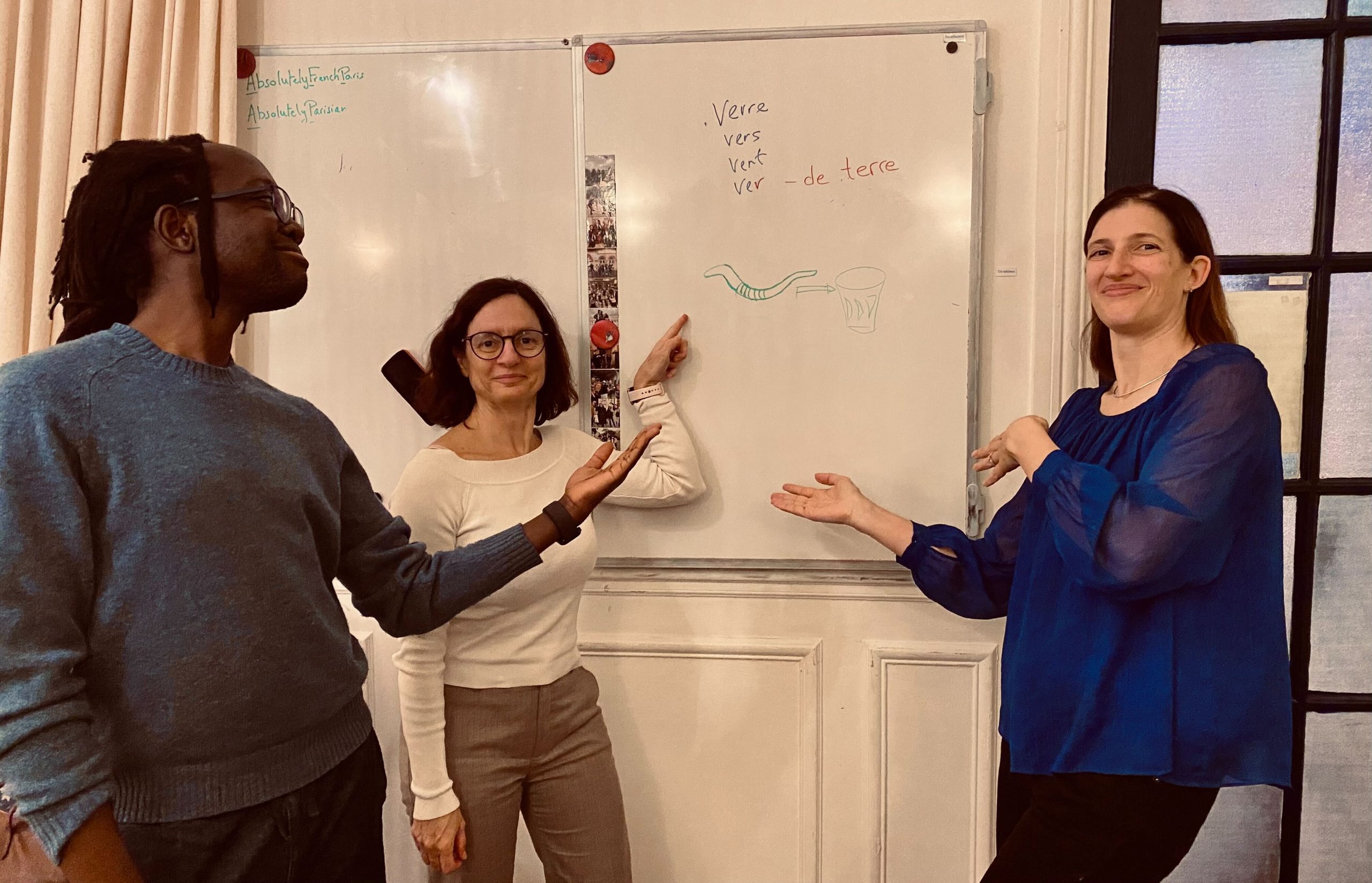
Micro Challenge 1: Say Bonjour First, Every Time
This is the simplest challenge, but also one of the most important. In Paris, many interactions begin with bonjour. Before asking for bread, information, directions, or help, start with a clear and warm “Bonjour.”
Your challenge this week is to say bonjour first in every small interaction. Not quickly. Not quietly. Say it clearly. Look at the person. Smile if it feels natural.
Try this sentence: “Bonjour Madame, je voudrais une baguette s’il vous plaît.”
Why it works: you are not only practicing a word. You are entering the French social code. You are showing respect, and that often makes the rest of the interaction smoother.
Micro Challenge 2: Ask One Simple Question at the Bakery
The bakery is one of the best places to practice French because the interaction is short, repeated, and predictable. You can prepare your sentence before entering.
This week, instead of only ordering, ask one simple question.
Try one of these:
“C’est quoi votre spécialité ?”
“Vous me conseillez quoi aujourd’hui ?”
“Il y a du pain complet ?”
You may not understand every word in the answer. That is okay. Your goal is not perfection. Your goal is to create one extra moment of conversation.
Why it works: you transform a routine purchase into a confidence exercise. The more you repeat it, the less scary it becomes.
Micro Challenge 3: Repeat the Last Word You Heard
Sometimes the hardest part of speaking French is answering when you did not understand everything. Instead of switching immediately to English, try repeating the last important word you heard with a question tone.
If someone says, “Vous voulez une formule avec boisson ?” and you only understand “boisson,” you can say: “Une boisson ?”
This gives the other person a chance to explain, point, repeat, or rephrase.
Why it works: you stay inside the French conversation instead of leaving it. This is a very useful skill for real life.
Micro Challenge 4: Order Coffee Without Switching to English
Cafés are perfect for short speaking practice. This week, choose one café and order entirely in French, even if your sentence is simple.
Try this:
“Bonjour, je voudrais un café crème, s’il vous plaît.”
If they answer in English, continue gently in French:
“Merci, j’essaie de pratiquer mon français.”
This sentence is magic. It tells people you are making an effort. Many Parisians respond more warmly when they understand that you are trying.
Why it works: you build confidence in a safe, everyday situation. You also practice speaking despite the temptation to switch languages.
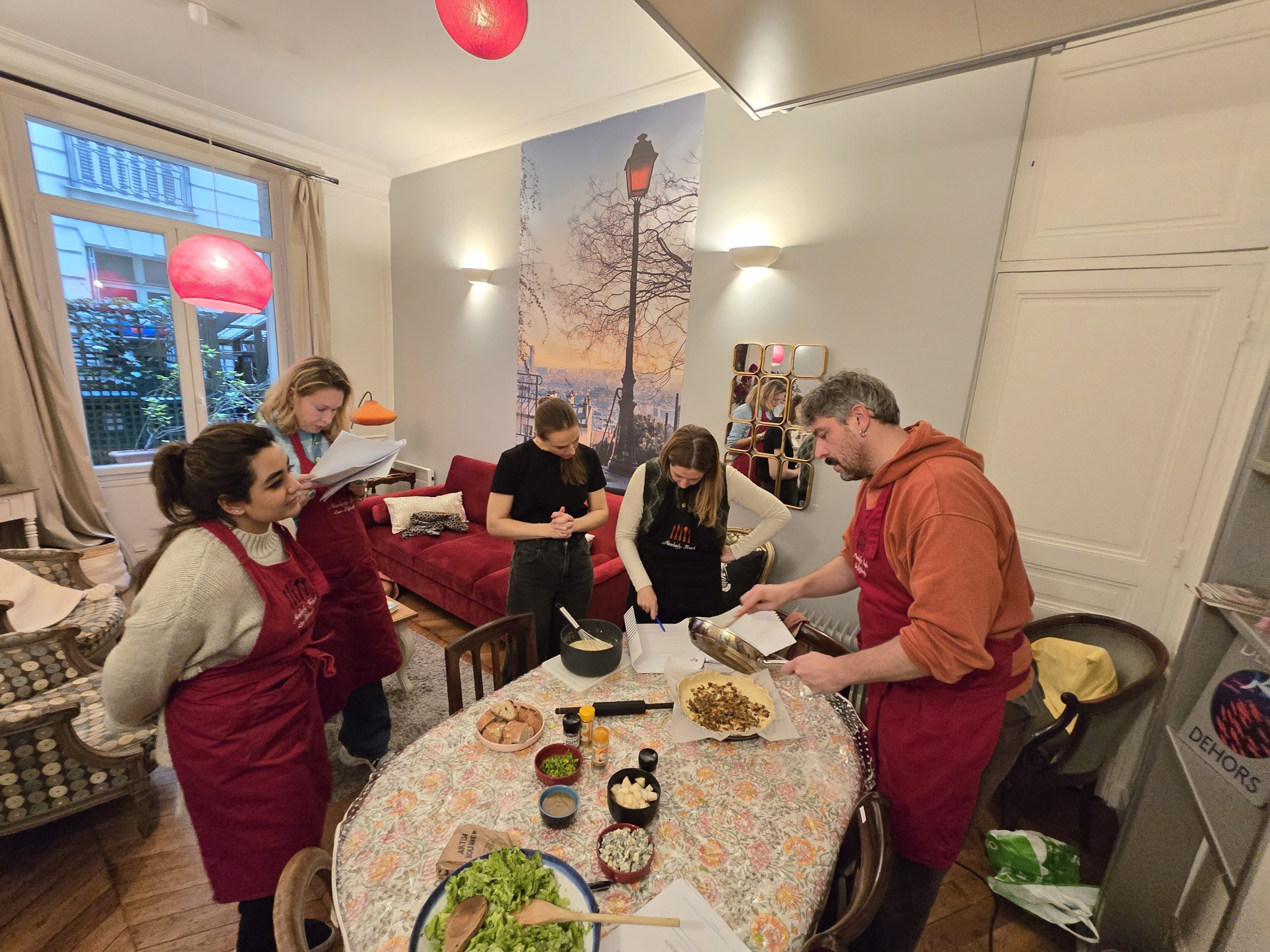
Micro Challenge 5: Ask for Directions Even If You Know the Way
This may sound funny, but it is an excellent exercise. Choose a place you already know, then ask someone for directions in French.
Try this:
“Bonjour, excusez moi, vous savez où est la station de métro la plus proche ?”
Or:
“Bonjour, excusez moi, je cherche la rue de Rivoli.”
Because you already know the answer, the pressure is lower. You can focus on listening, pronunciation, and courage.
Why it works: it trains you to ask for help in French without panic. This is one of the most useful skills for living in Paris.
Micro Challenge 6: Learn One Sentence for Your Weekly Routine
Choose one sentence that matches your real life. Repeat it several times during the week.
If you have children:
“Je viens chercher mon enfant.”
If you go to a class:
“Je suis inscrite au cours de français.”
If you work or volunteer:
“Je participe à un projet cette semaine.”
If you are exploring Paris:
“Je découvre le quartier aujourd’hui.”
Why it works: useful sentences are easier to remember because they belong to your life. You are not learning abstract French. You are learning your French.
Micro Challenge 7: Start One Small Conversation at the Market
Markets are full of natural speaking opportunities. You can ask about prices, quantities, origins, or recommendations.
Try this:
“Bonjour, elles viennent d’où les tomates ?”
Or:
“Je peux en prendre trois, s’il vous plaît ?”
Or:
“Vous me conseillez quoi pour ce soir ?”
The market is also a wonderful place to practice listening because sellers often speak naturally and quickly. Do not worry if you miss details. Focus on catching the general meaning.
Why it works: you connect language with food, gestures, smells, and real people. This makes learning more memorable.
Micro Challenge 8: Use One French Filler Instead of Silence
When speaking a new language, silence can feel stressful. French fillers help you gain time while staying in the conversation.
This week, practice using:
“Alors…”
“Euh…”
“Comment dire…”
“Je cherche le mot…”
“Attendez, je réfléchis.”
These small expressions make your French sound more natural and give you time to think.
Why it works: instead of freezing, you learn how to manage hesitation in French. This is a real communication skill.
Micro Challenge 9: Watch One Short French Video and Repeat Out Loud
Speaking more French in Paris is not only about outdoor practice. You can also train your ear and mouth at home. Choose one short video, listen to one sentence, pause, and repeat it out loud.
TV5MONDE offers free online French exercises for different levels, using videos and real language contexts. It is a helpful resource if you want to practice listening and pronunciation between real life interactions. You can try it here: Apprendre le français avec TV5MONDE.
Do not try to understand everything. Choose one useful sentence and repeat it several times. Then try to use it outside during the week.
Why it works: pronunciation improves through repetition. Listening also helps you recognize words faster when people speak in real life.
Micro Challenge 10: Tell Someone “I Am Learning French”
This final challenge is emotional. Many expats hide their learning process because they feel embarrassed. But saying that you are learning French can create kindness, patience, and connection.
Try this:
“Je suis en train d’apprendre le français.”
Or:
“Je comprends mieux que je ne parle.”
Or:
“Vous pouvez parler un peu plus lentement, s’il vous plaît ?”
These sentences are powerful because they give you permission to be a learner. You do not need to pretend. You can be honest and still be confident.
Why it works: confidence grows when you stop seeing mistakes as shameful. You are not failing. You are practicing.
How to Turn These Challenges into a Weekly Routine
You do not need to do all ten challenges in one week. Choose two or three. Repeat them. Make them easy enough to succeed.
For example:
Monday: say bonjour first in every interaction.
Tuesday: ask one question at the bakery.
Wednesday: watch one TV5MONDE video and repeat one sentence.
Thursday: order coffee in French.
Friday: ask for directions.
Saturday: speak at the market.
Sunday: write down what felt easier than last week.
The goal is not to create pressure. The goal is to build rhythm. French becomes less frightening when it becomes part of your week.
Why Speaking French Changes More Than Your Language Level
When you speak more French in Paris, you do more than improve vocabulary. You change how you feel in the city. A place that once felt intimidating becomes more familiar. A shopkeeper becomes a face you recognize. A street becomes part of your routine. A sentence becomes a small victory.
For expat partners especially, these micro challenges can rebuild confidence after relocation. When your professional identity, social circle, and daily habits have changed, language can become a way to feel active again. Every small conversation says: I am participating. I am learning. I belong a little more today than yesterday.
This is exactly why immersive learning matters. French is not only something you study. It is something you live, try, repeat, and share.
The Absolutely French Way: Learn by Living
At Absolutely French, the goal is not only to help expats memorize French. It is to help them experience French through culture, conversation, confidence, and community. A language becomes alive when you use it in real situations, with real people, and in a supportive environment where mistakes are part of the journey.
Micro challenges fit perfectly into this approach. They are simple, human, and practical. They remind you that progress is not always dramatic. Sometimes progress is saying bonjour with more confidence. Sometimes it is understanding one answer at the market. Sometimes it is daring to continue in French even when English would be easier.
Conclusion: One Small Challenge Can Change Your Week
Speaking more French in Paris does not require perfection. It requires repetition, curiosity, and courage. You do not need to wait until your grammar is perfect to speak. You can begin with one word, one question, one sentence, one smile.
These 10 micro challenges are not only language exercises. They are small doors into Parisian life. Each one helps you practice French, understand the culture, and feel more connected to the city.
Choose one challenge today. Try it this week. Celebrate the effort, not only the result. Because every time you speak French, even imperfectly, you are not just learning a language. You are building your place in Paris.