
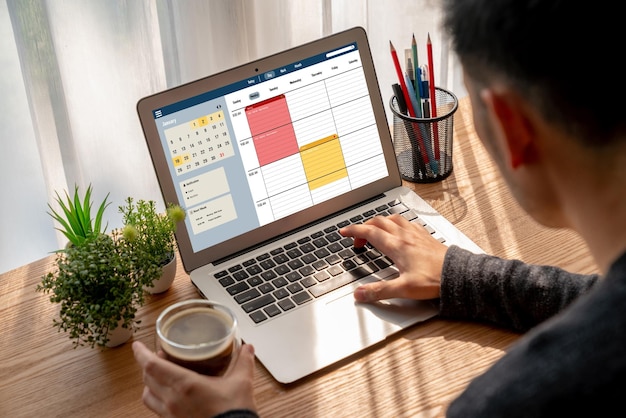
What if the French calendar was not just a list of dates but a secret map of how people work rest socialise and belong in France? If you want two official references right away, start with the 2026 public holidays and long weekends on Service Public and the official school calendar from the French Ministry of Education. For many expats in Paris, the biggest culture shock is not paperwork or language, it is timing: when the city speeds up, when it slows down, and why.
If this resonates with you, two related reads will take you further. Absolutely French’s How to Handle French Bureaucracy in September Without Stress explains why September is the real reset button in France and how to use it to feel instantly more in control. Absolutely Talented’s Professional Rentrée: How Expat Partners Can Reignite Their Career Ambitions in France shows how to align your networking and job search with the post summer rhythm that recruiters actually follow.
The French calendar is a social contract, not a productivity tool
When you arrive in Paris, you quickly learn that time is collective here. People move through the year together: public holidays, school holidays, long weekends, and seasonal rituals shape availability more than personal preference. Once you understand this, you stop taking silence personally and start reading the pattern. That shift alone can reduce stress, prevent misunderstandings, and make you feel more “inside” the culture.
School holidays are the real national rhythm, even if you have no kids
In France, the school calendar influences everything: transport prices, office staffing, admin delays, and how social life is organised. During school holiday weeks, you may notice fewer meetings, slower replies, and a city that feels half present. This is not laziness. It is the system breathing. If you ever feel lost, the official calendar makes it easier to plan your year and anticipate slow periods: https://www.education.gouv.fr/calendrier-scolaire-100148. Expats who plan around these periods integrate faster because they stop expecting the same pace all year and instead build routines that match the season.
Public holidays carry meaning, not just time off
Some public holidays are loaded with cultural memory. May 1 is not a random day off, it is a symbol of labour and rights. July 14 is not just fireworks, it is national identity in motion. November 11 is not just a quiet day, it is remembrance. Knowing this helps you understand the tone of conversations at work, the mood of the city, and why certain topics feel sensitive or solemn on specific dates. If you want a reliable official reference for the public holidays in France, Service Public publishes an official overview, including dates for 2026: https://www.service-public.gouv.fr/particuliers/actualites/A18558.

Sundays are protected, and that protection is a cultural code
One of the strongest hidden rules is Sunday. Even in Paris, where life is busy, Sunday often stays family focused and slower, with reduced commercial activity and an unspoken boundary around work. In many French workplaces, sending messages on Sundays can feel intrusive, not impressive. For expats used to constant availability, this boundary can feel strange at first, then surprisingly calming. Respecting it signals cultural intelligence and often earns trust faster than trying to prove you are always on.
September is the real New Year in France
Here is a classic French calendar twist: January is not the real restart. September is. After summer, France relaunches. Projects reopen, budgets move, people network again, and energy returns. This is why so many administrative and professional actions feel easier in September: the system is awake. If you are planning a job search, a new course, a move, a school change, or a networking push, September is your strongest moment. This is also why the idea of la rentrée matters so much: it is not just back to school, it is back to life.
August is not “quiet”, it is “private”
Paris in August can feel like a different city. Many locals leave, small businesses close, and professional decision making often pauses. For expats, this can trigger loneliness or the feeling of being excluded. But the hidden code is simple: summer is for close circles. Social life becomes more private and family centred, often outside the city. When you understand this, August stops feeling like rejection and starts feeling like a season to build your own anchors: language practice, exploration, gentle routines, and smaller connections without pressure.
The Wednesday effect: why midweek feels different
A small detail that surprises many newcomers is Wednesday. In many families, Wednesday afternoons are structured around children and activities, with a different rhythm from other weekdays. Even without kids, you feel it in appointment availability, response time, and how some parents move through the day. It is one of those invisible patterns that makes France feel “coded” until you spot it. Once you do, you schedule smarter and life feels smoother.
Timing is a career tool in France, not a soft detail
This is where the French calendar becomes powerful for expat partners: it can protect your confidence. If you apply in late July and hear nothing, that is often absence, not rejection. If you network in September, you may suddenly get replies that felt impossible in August. If you launch a new project during school holiday weeks, it may stall simply because decision makers are away. This is why aligning your actions with the calendar is not just practical, it is psychologically protective. You stop blaming yourself for a system rhythm you did not yet know.
The hidden integration benefit: the calendar teaches boundaries and belonging
Many expats measure integration by language level or admin success. But belonging often comes from something subtler: moving at the same pace as everyone else. When you naturally say “See you after la rentrée” or when you anticipate the spring holiday slowdown, you start sharing the same mental calendar as locals. That shared rhythm creates ease. You become less “visitor” and more “participant”.
A simple way to start decoding it this week
Pick one upcoming moment in the calendar and treat it as cultural practice, not just logistics. If a holiday is coming, read what it means and observe how the city behaves. If school holidays are approaching, plan lighter admin tasks and more community time. If September is near, prepare your “restart” like the French do: organise, reset, and choose one goal that fits the season. Over time, these small moves turn the French calendar from a source of confusion into a source of stability.
Conclusion: Paris becomes easier when you read time like a local
The French calendar is one of the most generous integration tools you have, because it tells you what France protects: rest, collective rhythm, seasons, and social boundaries. When you stop fighting it and start reading it, you save energy, misunderstandings drop, and your confidence grows.

Absolutely French – Who We Are – Companies Services
Absolutely French is the first French language school entirely dedicated to expat partners and expatriates.
Our mission:
To support dual careers in expat families by helping partners integrate quickly and confidently into French life.
Our method:
Fun, friendly, and innovative French courses that guarantee results — and help build a local network.
 Looking for French classes tailored for expat partners? Want to register your employee’s spouse for a high-quality program?
Let’s connect!
 Email: contact@absolutely-french.eu
 Phone: +33 (0)1 83 73 98 49
 Address: 4, rue Faraday, 75017 Paris